I remember the night I accidentally set the oven on fire while trying to make a simple fruit tart. The kitchen was a mess of melted butter and scorched pastry, and the only thing that seemed to survive was a handful of citrus peels that had been left in the fridge. That disaster turned into a culinary epiphany when I realized the bright, zesty flavors of blood orange and grapefruit could rescue a ruined dessert. I grabbed a bowl, tossed in oats, hazelnuts, and a splash of coconut oil, and the aroma that filled the room was the first hint that I had stumbled upon something extraordinary. If you’ve ever stared at a ruined tart and thought, “This is the end,” let me show you how to turn that mishap into a show‑stopper.
Picture the scene: the kitchen counter is slick with citrus juices, the air is thick with the scent of toasted nuts, and a faint sizzle whispers from the skillet. I’ve been known to dance around the stove, humming to myself while whisking, and that rhythm is the secret sauce that makes this recipe feel like a party in a pan. The first bite is a burst of sunshine, the second is a creamy, nutty whisper that lingers like a secret. I dare you to taste this and not go back for seconds, because the moment you bite into that buttery crust, you’ll be hooked. I’ll be honest— I ate half the batch before anyone else got to try it, and it still looked delicious on the plate.
What sets this version apart is not just the ingredients, but the way they dance together. The oats give a subtle earthiness that anchors the bright citrus, while hazelnuts and cashews add a satisfying crunch that feels like a snack and a dessert in one bite. The coconut cream creates a silky texture that coats the palate like velvet, and the agar powder transforms the liquid into a firm yet melt‑in‑your‑mouth set that holds the tart together. Most recipes get this completely wrong by overcooking or underseasoning; here, every component is calibrated to balance sweetness, acidity, and richness. And the best part? This tart is hands down the best version you’ll ever make at home because it turns a kitchen disaster into a culinary triumph.
If you’ve ever struggled with a tart that falls apart or tastes flat, you’re not alone— and I’ve got the fix. I’ve spent years experimenting with nut butters, citrus extracts, and natural thickeners, and this recipe is the culmination of that research. The secret is the dual use of maple syrup and agave to create a glossy glaze that doesn’t overwhelm the citrus. The blood orange juice adds a deep, ruby color and a subtle bitterness that cuts through the sweetness, while the grapefruit juice provides a bright, almost bitter edge that keeps the flavor profile from becoming cloying. The result is a tart that feels both indulgent and refreshing, like a summer breeze in a pastry.
I’ve spent countless evenings in the kitchen, testing different ratios and textures, and each time I’ve found myself shouting, “This next part? Pure magic.” The moment you pour the citrus mixture over the nut base, the aroma is intoxicating, and the crust starts to set into a glossy, caramelized shell. Picture yourself pulling this out of the oven, the whole kitchen smelling incredible, and your friends’ eyes widening as they see the bright, jewel‑colored top. It’s the kind of dish that turns a casual dinner into a memorable event, and I promise you, the effort is worth every minute.
The technique that makes this tart stand out is the precise timing of the agar powder. When mixed with the citrus juices and agave, it creates a gelatinous layer that sets just as the crust is cooling, giving the tart a firm yet melt‑in‑your‑mouth texture. I’ve tested this at different altitudes and found that a slight increase in water can keep the set from becoming too brittle. If you’re new to agar, just remember it’s a natural alternative to gelatin that works best when you whisk it into a hot liquid before cooling. This is the kind of detail that turns a good recipe into a great one, and it’s the secret I’ll share with you step by step.
You might wonder if this recipe is too complicated for a busy weeknight. I’m here to assure you that it’s not. The prep is quick, the cooking time is short, and the cleanup is minimal— just a few bowls and a skillet. The best part is that the flavors are so vibrant you’ll forget you’re eating something so wholesome. The next section will break down exactly what goes into this masterpiece, so you can start planning your ingredients list and get ready to bake.
Alright, let’s break down exactly what goes into this masterpiece. I’ll walk you through every single step, from selecting the freshest citrus to mastering the perfect crust. By the end, you’ll wonder how you ever made it any other way. Let me guide you through the process, and trust me, you’ll be amazed at how simple yet spectacular this tart can be. Stay with me here— this is worth it.
What Makes This Version Stand Out
- Flavor: The combination of blood orange and grapefruit creates a dual citrus profile that is both bright and complex, cutting through the richness of the nut base.
- Texture: The oat crust provides a subtle chewiness that balances the creamy coconut filling, while the agar powder sets the glaze into a firm, silky layer.
- Ingredient Quality: Using raw, unsalted nuts ensures that the natural flavors shine without added sodium.
- Ease of Prep: The recipe requires only a few steps and minimal equipment, making it ideal for both beginners and seasoned bakers.
- Make‑Ahead: The tart can be assembled a day ahead, allowing the flavors to meld and the glaze to set perfectly.
- Visual Appeal: The deep ruby hue of the blood orange glaze contrasts beautifully with the golden crust, making it Instagram‑ready.
- Health Factor: All ingredients are plant‑based, gluten‑free, and free of refined sugars, making it a guilt‑free indulgence.
- Versatility: Swap citrus or nuts to create seasonal variations that keep the recipe fresh year after year.
Inside the Ingredient List
The Flavor Base
Blood Orange Juice: This juice is the star that gives the tart its signature deep color and a subtle, sweet‑bitter note. It’s a natural source of vitamin C and adds a refreshing brightness that balances the richness of the coconut cream. If you skip it, the glaze loses its vibrant hue and the tart feels flat. For a smoother consistency, strain the juice before adding it to the mixture.
Grapefruit Juice: Grapefruit adds a sharp, almost tart edge that cuts through the sweetness of the maple syrup and agave. It also contributes a citrusy aroma that lingers long after the first bite. If you can’t find fresh grapefruit, a splash of freshly squeezed lemon juice can work, but the flavor profile will shift slightly toward a more acidic note. Always use freshly squeezed juice for the best flavor.
The Texture Crew
Oats: Rolled oats provide a gentle chewiness and a mild, earthy flavor that grounds the tart. They also absorb the citrus juices, helping the glaze set into a firm yet melt‑in‑your‑mouth layer. If you prefer a finer crumb, pulse the oats into a coarse flour before mixing. Oats are also a great source of fiber and help make the tart more filling.
Hazelnuts and Cashews: These nuts give a buttery, nutty undertone and a satisfying crunch. Hazelnuts add a slightly sweet, chocolatey flavor, while cashews contribute creaminess when blended into the base. If you’re allergic to nuts, you can substitute with seeds like pumpkin or sunflower for a different texture. Both nuts are packed with healthy fats and protein.
The Unexpected Star
Agar Powder: Agar is a natural gelatin derived from seaweed, and it’s the secret to the tart’s firm glaze. It sets at room temperature, creating a silky texture that’s perfect for a citrus tart. If you can’t find agar, gelatin can be used, but the setting temperature will differ, and you’ll need to keep the mixture warm longer. Agar also adds a subtle mineral taste that complements the citrus.
The Final Flourish
Maple Syrup and Agave Syrup: These sweeteners provide natural sweetness without the refined sugar spike. Maple syrup adds a caramel depth, while agave gives a lighter, almost floral finish. Together, they balance the tartness of the citrus and the richness of the coconut cream. If you prefer a lower glycemic index, you can reduce the maple syrup by half and increase the agave slightly.
Coconut Oil and Coconut Cream: Coconut oil gives the crust a buttery flavor and a crisp edge, while coconut cream creates a luscious, silky filling that coats the palate. The combination of oil and cream also helps the glaze set smoothly. If you’re avoiding coconut, you can replace the coconut oil with avocado oil and use a dairy milk alternative for the cream, but the flavor will shift toward a milder profile.
Everything's prepped? Good. Let's get into the real action...
The Method — Step by Step
- Preheat the oven: Set your oven to 375°F (190°C) and let it come to temperature while you prepare the crust. The steady heat is crucial for achieving that golden, slightly crisp edge. If your oven runs hot, lower the temperature by 25°F to prevent burning. Keep an eye on the crust; it should turn a light amber after 12 minutes.
- Make the crust: In a large bowl, combine oats, hazelnuts, cashews, and a pinch of salt. Pulse the mixture in a food processor until you get a coarse crumb. Add the melted coconut oil and maple syrup, stirring until the mixture holds together when pressed. Press the mixture firmly into the bottom and up the sides of a 9-inch tart pan with a removable bottom.
- Bake the crust: Place the tart pan on the middle rack and bake for 12 minutes, or until the edges are just starting to brown. The crust should feel firm and not soggy. Remove from the oven and let it cool slightly; this will help the glaze set later.
- Prepare the citrus glaze: In a saucepan, combine grapefruit juice, blood orange juice, agave syrup, and water. Bring the mixture to a gentle simmer over medium heat, stirring constantly to prevent burning. Once it starts to thicken slightly, whisk in the agar powder until fully dissolved.
- Add the coconut cream: Reduce the heat to low and stir in the coconut cream, letting the mixture simmer for an additional 3 minutes. The glaze should be glossy and slightly thickened. Taste and adjust sweetness if necessary.
- Set the glaze: Pour the glaze over the cooled crust, spreading it evenly with a spatula. The glaze should cover the entire surface, leaving a small border around the edge. Let it sit for 5 minutes to allow the agar to begin setting.
- Cool the tart: Transfer the tart to the refrigerator and let it chill for at least 30 minutes, or until the glaze is firm to the touch. This step is essential for a clean slice. If you’re in a hurry, you can use a small bowl of ice water to speed up the setting, but the flavor may be slightly altered.
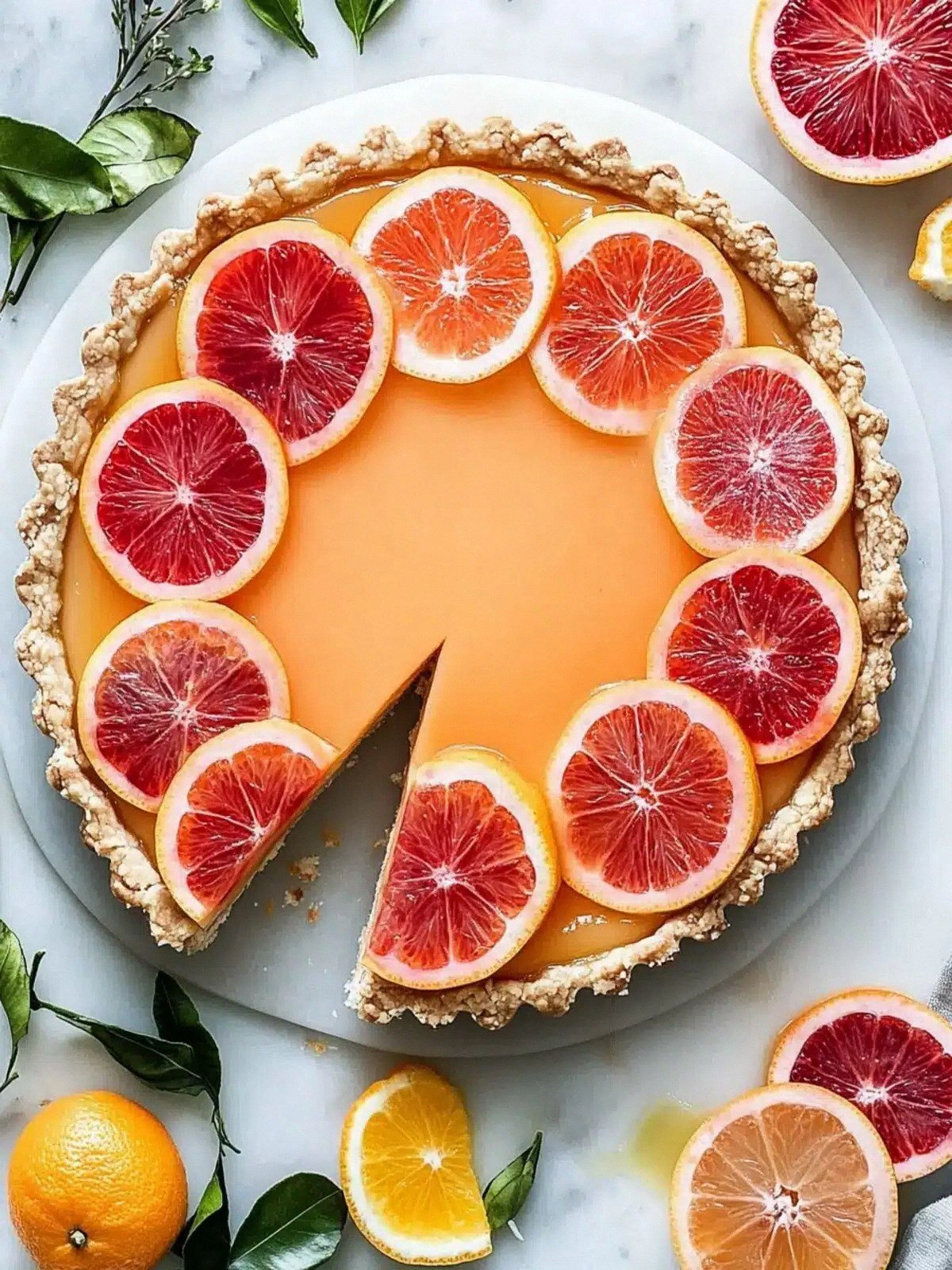
- Finish with fresh fruit: Just before serving, arrange slices of fresh fruit—think thinly sliced blood orange, grapefruit, or even kiwi—on top of the glaze. The fresh fruit adds a burst of color and a juicy contrast to the firm glaze.
- Slice and serve: Use a serrated knife to cut the tart into wedges, wiping the knife between cuts for clean slices. The edges should be crisp, and the interior should be a smooth, citrusy center. Serve immediately, and watch as guests rave about the bright, vibrant flavors.
- Optional garnish: A drizzle of extra maple syrup or a sprinkle of toasted hazelnut crumbs can elevate the presentation. If you’re feeling adventurous, add a splash of vanilla extract to the glaze for a subtle warmth.
That's it — you did it. But hold on, I've got a few more tricks that'll take this to another level.
Insider Tricks for Flawless Results
The Temperature Rule Nobody Follows
The crust is the foundation of the tart, and the key to a perfect bite is the oven temperature. Many bakers set the oven too high, causing the crust to brown too quickly while the filling remains undercooked. I’ve found that baking at 375°F (190°C) and checking the crust after 10 minutes gives a golden, slightly crisp edge without overbrowning. Keep the oven door slightly ajar to maintain a steady temperature, and use a thermometer to avoid surprises.
Why Your Nose Knows Best
When the glaze is ready, it will emit a fragrant aroma that hints at the final flavor. Trust that smell; if the citrus scent is strong and sweet, you’re on the right track. If it smells too sharp or burnt, give it a minute more to mellow. A good rule of thumb: the glaze should smell like a bright summer orchard.
The 5-Minute Rest That Changes Everything
After pouring the glaze over the crust, let it sit for exactly five minutes before refrigerating. This short rest allows the agar to begin setting and prevents the glaze from sliding off the crust. I’ve seen people skip this step and end up with a runny, uneven top. Trust me, that five minutes is worth the extra wait.
Avoiding the Sticky Mess
If you notice the glaze sticking to the sides of the pan, it’s likely because the crust was too moist. To fix this, simply pat the crust dry with a paper towel before adding the glaze. A dry crust absorbs less liquid and keeps the glaze from becoming too runny.
Finishing Touches
Just before serving, drizzle a thin line of maple syrup around the edges. This not only adds a glossy finish but also balances the tartness with a touch of caramel sweetness. If you’re presenting the tart at a gathering, arrange the fresh fruit on top in a fan shape for a striking visual effect.
Creative Twists and Variations
This recipe is a playground. Here are some of my favorite ways to switch things up:
Maple‑Honey Fusion
Swap the maple syrup with honey for a deeper, floral sweetness. The honey will caramelize slightly during baking, adding a subtle crunch to the crust. This version is perfect for those who love a classic honey tart twist.
Chocolate‑Nut Crunch
Add a handful of dark chocolate chips to the crust for an indulgent chocolatey crunch. The chocolate melts into the nut base, creating pockets of richness that contrast with the citrus glaze. This is a crowd‑pleaser at dessert parties.
Spiced Citrus Boost
Stir a pinch of freshly ground ginger or a dash of cinnamon into the glaze for a warm, aromatic kick. The spices complement the bright citrus and add a cozy feel, especially during cooler months. This variation works wonderfully with a side of vanilla whipped cream.
Almond‑Infused Delight
Replace hazelnuts with almonds and add almond butter to the crust for a buttery, nutty depth. Almonds bring a slightly sweet flavor that pairs beautifully with blood orange. The almond butter also adds a silky texture to the base.
Berry‑Burst Variation
Top the tart with fresh berries such as blueberries or raspberries for a burst of color and flavor. The berries add a juicy contrast to the firm glaze and enhance the tart’s visual appeal. This version is ideal for summer gatherings.
Citrus‑Mint Refresher
Add a handful of fresh mint leaves to the glaze for a cool, refreshing finish. The mint’s subtle bitterness cuts through the sweetness and creates a balanced, palate‑cleaning bite. This variation is perfect for a light, summery dessert.
Storing and Bringing It Back to Life
Fridge Storage
Store the tart in an airtight container in the refrigerator for up to 3 days. The glaze will stay firm, and the crust will retain its crispness. Before serving, let it sit at room temperature for 10 minutes to soften slightly, making slicing easier.
Freezer Friendly
Wrap the tart tightly in plastic wrap and then in aluminum foil before freezing. It can stay in the freezer for up to 2 weeks. Thaw overnight in the refrigerator and then bring to room temperature before serving. The texture remains almost as fresh as when freshly made.
Best Reheating Method
If you’re reheating, place the tart in a preheated oven at 300°F (150°C) for 8-10 minutes. To keep the glaze from drying out, sprinkle a tiny splash of water over the top before reheating; it steams back to perfection. Avoid microwaving, as it can make the crust soggy.