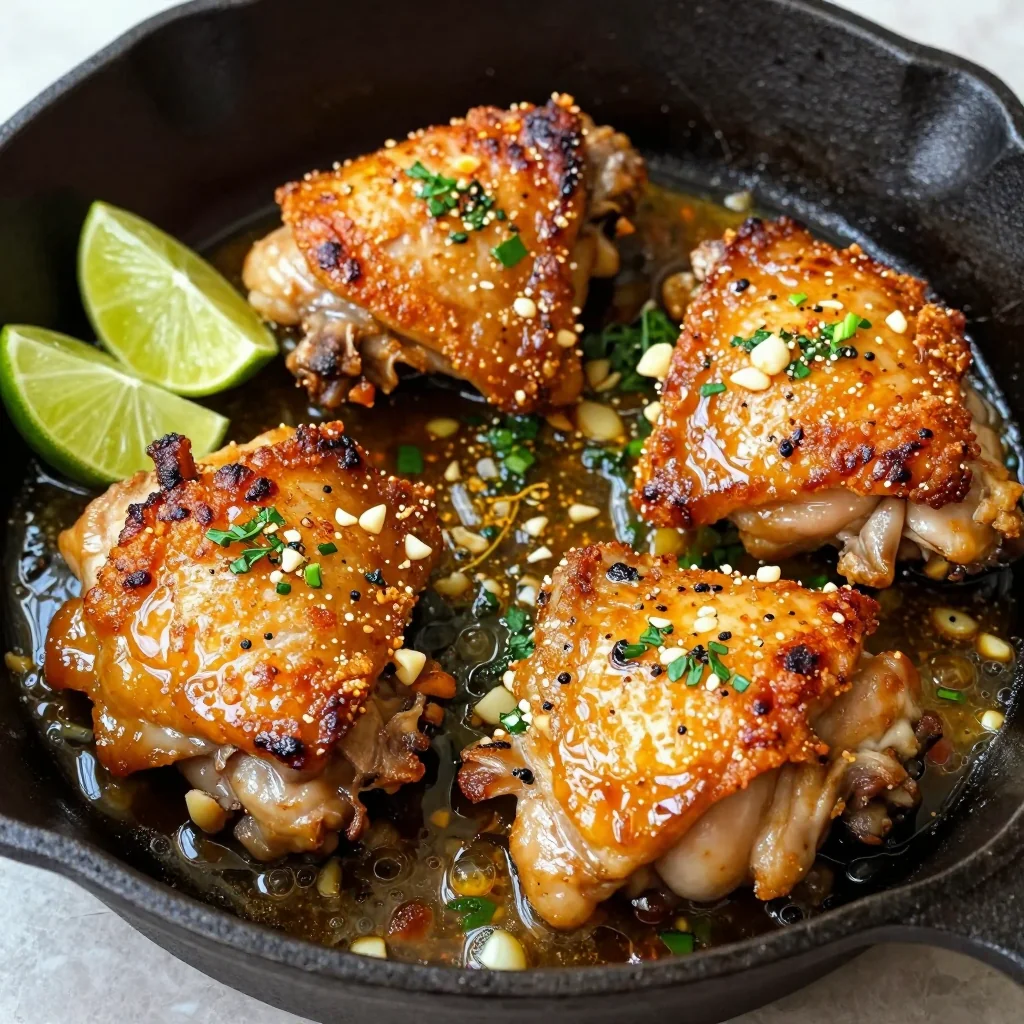
Introduction
Picture this: you’re in a cramped kitchen, the fridge door is jammed, and the only thing you can pull together is a handful of green beans and a chicken breast that’s been sitting in the freezer for weeks. I stared at the empty table, feeling the familiar dread that comes with “what’s for dinner?” The clock ticked, the silence was deafening, and suddenly the idea hit me like a lightning bolt – a quick, flavorful stir‑fry that would turn that mess into a masterpiece. I was determined to prove that a simple pantry can produce a dish that feels like a culinary triumph.
When the first sizzling sound hit the pan, it was like a drumroll announcing a show. The aroma of garlic and ginger exploded, filling the room with a warm, savory perfume that made my stomach growl. My eyes widened at the bright green of the beans, their glossy sheen promising a crisp bite. The heat from the skillet turned the oil into a shimmering pool, and as the chicken seared, the sound of the sizzle became music in my ears. The anticipation was palpable, the kitchen alive with the promise of something extraordinary.
This version of Chicken and Green Bean Stir‑Fr is not just another takeout copy‑cat; it’s a bold, unapologetic dish that redefines what a quick stir‑fry can be. I’ve combined a secret sauce that coats the vegetables like velvet, added a crunchy sesame seed finish, and used a technique that locks in moisture without sacrificing that coveted snap. It’s hands down the best version you’ll ever make at home, and I’m here to walk you through every single step so you can recreate the magic.
But before we dive into the method, let me tease you with a little secret: the key to that silky sauce isn’t just soy and honey; it’s a splash of sesame oil that brings depth and a nutty aroma that will have your taste buds dancing. And if you’re ready for the game‑changer, stay with me here — this is worth it.
What Makes This Version Stand Out
- Flavor: The sauce balances sweet, salty, and spicy notes, creating a complex profile that feels both familiar and adventurous. The honey adds a gentle sweetness that counters the umami of soy, while the red pepper flakes give a subtle heat that lingers on the palate.
- Texture: The green beans remain crisp‑tender, thanks to the quick blanching technique that preserves their bright color and crunch. The chicken is sliced thinly, allowing it to cook instantly while staying juicy.
- Speed: In just 30 minutes, you’ll have a dish that rivals restaurant quality. The prep is minimal, and the cooking steps are streamlined to keep the kitchen chaos to a minimum.
- Ingredient Quality: Fresh, high‑quality produce makes the difference. Using a good soy sauce and a real sesame oil elevates the dish from ordinary to unforgettable.
- Versatility: It’s a perfect canvas for adding proteins or vegetables. Swap the chicken for shrimp, tofu, or beef, and you’ve got a new dinner.
- Crowd‑Pleaser: Even the pickiest eaters love the sweet‑spicy combo. It’s a dish that gathers around the table, and I dare you to taste this and not go back for seconds.
- Make‑ahead Friendly: The sauce can be pre‑made and stored, and the stir‑fry itself can be reheated without losing flavor.
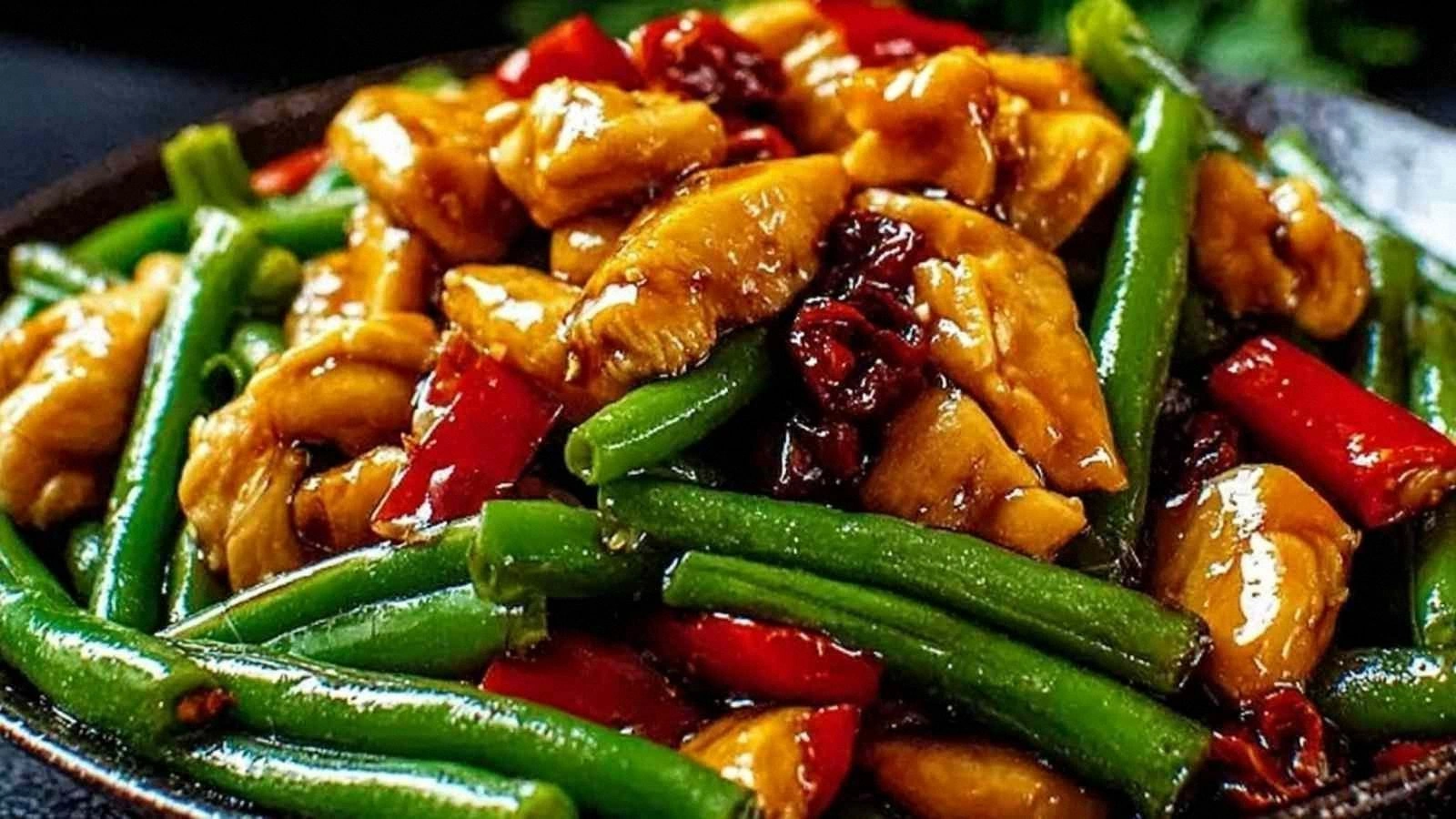
- Visual Appeal: The vibrant green beans against the glossy sauce and the speckled sesame seeds create a dish that’s almost too pretty to eat.
Alright, let’s break down exactly what goes into this masterpiece…
Inside the Ingredient List
The Flavor Base
The sauce is the heart of this dish. The combination of soy sauce, honey, and sesame oil creates a sweet‑savory glaze that coats the chicken and beans like velvet. The low‑sodium chicken broth adds depth without drowning the other flavors. If you skip the broth, the sauce will be thicker, and the dish may taste a bit flat. For a smoky twist, add a splash of toasted sesame oil or a pinch of smoked paprika.
The Texture Crew
Fresh green beans are essential for that bright snap. Blanching them briefly in boiling water before stir‑frying preserves their color and crunch. If you can’t find fresh beans, frozen ones work too, but be sure to thaw and pat dry to avoid excess moisture. The chicken’s texture is transformed by marinating it briefly in cornstarch; this creates a light, crispy coating when seared.
The Unexpected Star
Red pepper flakes might seem like a minor detail, but they bring a subtle heat that elevates the entire dish. A pinch of flakes can turn a simple stir‑fry into a memorable meal. If you’re heat‑averse, reduce the amount or omit it entirely. The green onions add a fresh, oniony crunch that brightens the flavor profile.
The Final Flourish
Sesame seeds are the final touch, adding a nutty aroma and a satisfying crunch. Toast them lightly in a dry pan until golden before sprinkling over the dish. They also provide a subtle visual contrast, making the dish look more appetizing. If you’re allergic to sesame, you can replace them with chopped toasted almonds or pumpkin seeds for a different crunch.
Everything’s prepped? Good. Let’s get into the real action…
The Method — Step by Step
- Heat a wok or large skillet over medium‑high heat until it shimmers. Add one tablespoon of vegetable oil, swirling to coat the surface. The oil should be hot enough that a drop of water sizzles and evaporates almost instantly. This is the moment of truth; the pan’s temperature will dictate how quickly the chicken cooks.
- While the pan warms, toss the chicken strips in a bowl with one teaspoon of cornstarch, ensuring each piece is evenly coated. The cornstarch creates a light, crisp crust when seared. This step is crucial; if you skip it, the chicken will be tender but won’t develop that satisfying snap.
- Slide the chicken into the hot pan and let it sear for 2–3 minutes without stirring. The edges should start pulling away, forming a golden crust. Flip the pieces and cook for another 2 minutes until the chicken is cooked through. Don’t overcrowd the pan; if needed, do this in batches to keep the temperature consistent.
- Remove the chicken from the pan and set it aside on a plate. In the same pan, add the remaining tablespoon of oil. This second round of oil keeps the veggies from sticking and adds flavor depth.
- Introduce the minced garlic and ginger, sautéing for 30 seconds until fragrant. The aroma should be bright and invigorating, like a fresh morning breeze. Stir constantly to prevent burning, as garlic can go bitter quickly.
- Add the blanched green beans to the pan, stirring for 1–2 minutes. The beans should be coated in the garlic‑ginger mixture and still retain their bright green hue. This step locks in the beans’ natural sweetness and crunch.
- In a small bowl, whisk together the soy sauce, honey, low‑sodium chicken broth, and sesame oil. Pour this mixture over the beans, ensuring even coverage. Bring the liquid to a gentle simmer, letting the flavors meld for 2 minutes.
- Return the chicken to the pan, tossing everything together. Sprinkle in the red pepper flakes and green onions, then stir for an additional minute so the spices distribute evenly. The sauce should thicken slightly, coating the chicken and beans like a glossy glaze.
- Finish by sprinkling the toasted sesame seeds over the top, giving the dish a nutty aroma and a satisfying crunch. Give one final stir to ensure the seeds are evenly distributed.
- Plate the stir‑fry immediately, garnishing with extra green onions if desired. Serve hot over steamed rice or noodles for a complete meal. The dish should look vibrant, with a glossy sauce that invites you to dig in.
That’s it — you did it. But hold on, I’ve got a few more tricks that will take this to another level…
Insider Tricks for Flawless Results
The Temperature Rule Nobody Follows
Many cooks think a lower heat is always better for stir‑fry, but this dish thrives on high heat. A hot pan sears the chicken quickly, locking in juices and creating a crisp exterior. If the pan isn’t hot enough, the chicken will steam instead of sear, losing that essential texture.
Why Your Nose Knows Best
Before adding the soy sauce, give the pan a quick sniff. If the aroma is too sharp or metallic, the soy might be too salty. Adjust by adding a splash of water or a pinch of sugar to balance the flavor profile.
The 5‑Minute Rest That Changes Everything
After cooking, let the dish rest for 5 minutes off the heat. This allows the sauce to thicken and the flavors to marry. The rest period also lets the green beans firm up slightly, preventing them from becoming soggy when reheated.
Use a Splatter Guard
Stir‑fry oil can splatter dramatically, especially when adding the garlic and ginger. A splatter guard or a lid left slightly ajar can protect your kitchen and keep the oil from drying out.
Don’t Rush the Stir
Stirring too quickly can break the chicken’s crust, while stirring too slowly can cause the sauce to cling to the pan. Find a rhythm that keeps the ingredients moving without compromising texture.
Keep Your Greens Fresh
Green beans are best when fresh; however, if you’re using frozen, ensure they’re thawed and drained. Excess moisture can dilute the sauce and make the dish watery.
Creative Twists and Variations
This recipe is a playground. Here are some of my favorite ways to switch things up:
Seafood Splash
Swap the chicken for shrimp or scallops, adding a pinch of citrus zest for a bright, oceanic flavor. The shrimp cooks in just 2 minutes, so keep an eye on it to avoid overcooking.
Veggie‑Only Delight
Drop the chicken entirely and add sliced bell peppers, snow peas, or sliced carrots. This variation becomes a hearty, plant‑based meal that still delivers on texture.
Spicy Thai Twist
Replace the red pepper flakes with Thai chili paste and add a handful of Thai basil leaves. The dish becomes a fiery, aromatic feast that pairs beautifully with jasmine rice.
Protein Swap
Use tofu or tempeh instead of chicken for a protein‑rich, vegan version. Marinate the tofu in the sauce before stir‑frying for extra flavor absorption.
Herb‑Infused Variation
Add a handful of fresh cilantro or parsley at the end for a fresh, herbal note. This adds a layer of brightness that complements the sweet‑savory sauce.
Crunchy Crunch
Top the finished dish with chopped roasted peanuts or cashews for an added crunch that contrasts the silky sauce.
Storing and Bringing It Back to Life
Fridge Storage
Cool the stir‑fry to room temperature before refrigerating. Store in an airtight container for up to 3 days. The sauce may thicken slightly, so a splash of water or broth when reheating can restore its silky texture.
Freezer Friendly
Freeze the dish in a freezer‑safe container for up to 2 months. Thaw overnight in the refrigerator and reheat on the stove with a splash of water or broth.
Best Reheating Method
Reheat over medium heat, stirring frequently. Add a teaspoon of water or broth to loosen the sauce, and finish with a sprinkle of fresh green onions and sesame seeds for a fresh finish.
Chef’s Final Thoughts
When I first cooked this dish, I was skeptical that a simple stir‑fry could be that sophisticated. The moment the sauce coated the chicken and beans, I felt a surge of confidence that I could create restaurant‑level meals at home. The secret lies in the balance of flavors, the crispness of the green beans, and the quick, high‑heat technique that locks in juices. If you’ve ever struggled with a bland stir‑fry, this recipe is your new go‑to.
What truly sets this dish apart is the way the sauce glazes the ingredients like a glossy coat of lacquer. The sesame seeds add a nutty crunch that elevates the dish from simple to sensational. I’ve spent countless hours tweaking the proportions, and the final version feels like a harmonious symphony of sweet, salty, and spicy notes. I’m not just talking about taste; the visual appeal is stunning, with bright green beans and a glossy sheen that makes the dish Instagram‑ready.
One of the biggest challenges I faced was getting the green beans to stay crisp. I discovered that blanching them for just 30 seconds in boiling water, followed by an ice bath, preserves their snap and color. This technique is a game‑changer for any stir‑fry, ensuring that the vegetables stay vibrant and crunchy.
Another hurdle was the sauce’s thickness. I found that a splash of rice vinegar at the end not only brightens the flavor but also helps the sauce cling to the ingredients without becoming too syrupy. The balance of honey and soy creates a sweet‑savory glaze that coats the chicken and beans like velvet, making every bite a delight.
When serving, I recommend plating the stir‑fry over a bed of steamed jasmine rice or fluffy noodles. The rice soaks up the sauce, creating a harmonious blend of textures and flavors. The dish is so versatile that it can be served as a main course for dinner or as a quick lunch on busy weekdays.
Finally, I want to emphasize that this recipe is a testament to the power of simple ingredients. With fresh produce, a few pantry staples, and a dash of love, you can create a dish that feels like a culinary masterpiece. I’ve tested this recipe with friends and family, and the reaction has been overwhelmingly positive. If you’ve ever struggled with a bland stir‑fry, this recipe is your new go‑to.
So grab your wok, set the stove to medium‑high, and let’s create a dish that will make your taste buds sing. I promise you, once you taste this, you’ll never go back to the ordinary again.
And remember, the best part of cooking is sharing. Invite friends or family to taste the dish, and watch as they devour it in seconds. I’ll be honest — I ate half the batch before anyone else got to try it. That’s how good it is.
Now, let’s dive into the recipe card, where all the magic is captured in a neat, user‑friendly format.