Picture this: the kitchen is a battlefield, pots clanging, the air thick with the scent of onions, garlic, and a promise of something delicious. I was halfway through a week‑long attempt to master a hearty stew when my friend dared me to make the ultimate vegetable beef barley bowl. I laughed, grabbed the ingredients, and set to work, knowing that the result would either be a culinary triumph or a disaster. That night, as the broth simmered, I realized that this was more than just a recipe—it was a revelation, a new standard for comfort food that would make the rest of my cooking look like a sad attempt at a soufflé. The aroma rose, thick and savory, like a promise of a long winter night wrapped in a blanket of flavor. I knew I had to share it, and I’ve never felt more excited to guide you through each step of this dish, because by the end, you’ll wonder how you ever made it any other way.
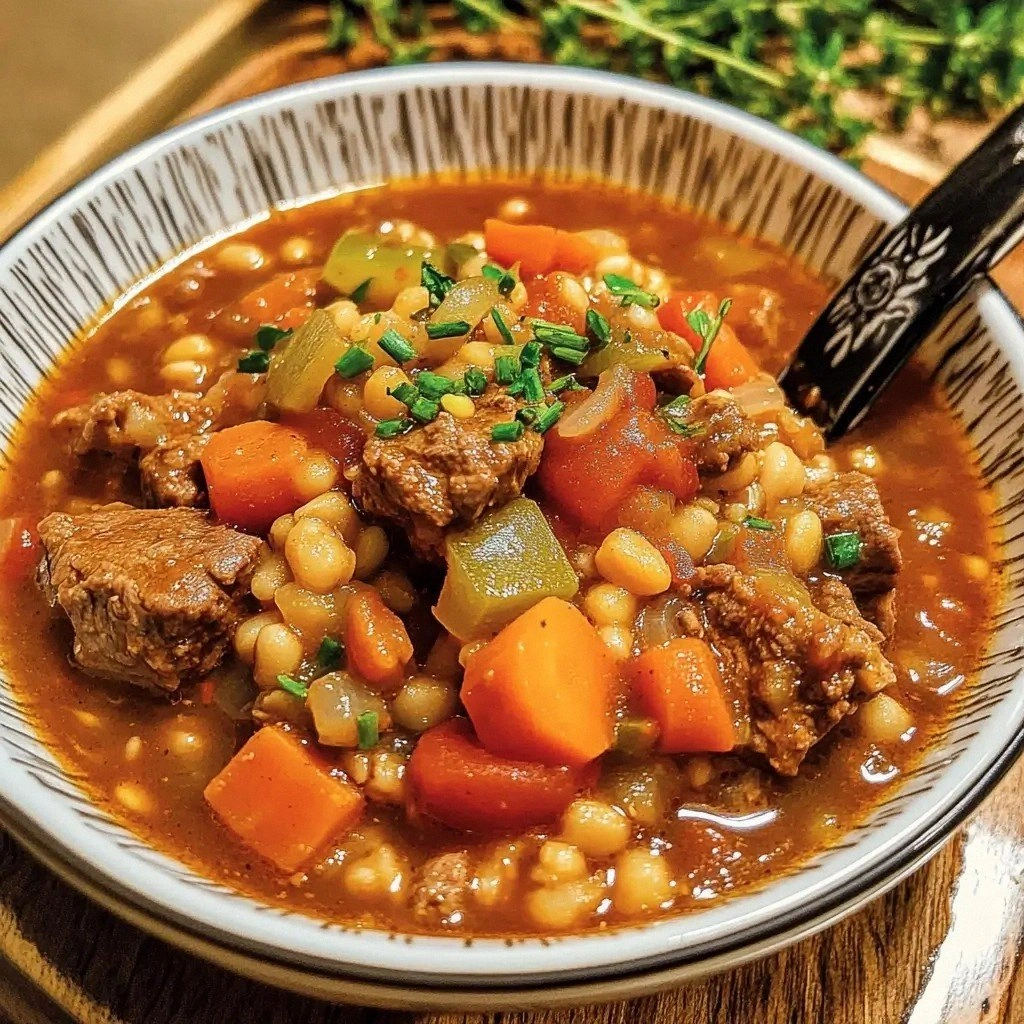
I’m not going to sugarcoat it—this stew is a beast. It’s the kind of dish that demands respect, but also rewards with a depth of flavor that makes every spoonful a small celebration. Think of the beef, seared to a caramelized perfection, the barley soaking up the broth like a sponge, and the vegetables bursting with color and crunch. The sauce coats the barley and meat like velvet, with a subtle hint of smokiness from paprika that lingers on the palate. It’s the kind of dish that, once tasted, you’ll find yourself reaching for seconds, and I dare you to taste it and not go back for more. The result? A hearty, wholesome bowl that’s as comforting as a hug from your favorite aunt, yet sophisticated enough to impress your dinner guests.
What makes this version stand out is not just the combination of ingredients but the way each element is treated. The beef is marinated briefly with Worcestershire sauce and a splash of red wine, giving it a depth that’s almost impossible to achieve with fresh cuts alone. The barley is toasted before simmering, adding a nutty undertone that balances the earthiness of the root vegetables. The broth is reduced to a silky, rich consistency, then thickened with a cornstarch slurry that gives the stew a velvety texture without heaviness. And the secret? A dash of smoked paprika and cumin that turns the stew from ordinary to unforgettable. If you’ve ever struggled with a stew that’s either too watery or too thick, this recipe is your new go-to. I’ve tested it multiple times, and each batch is consistently a masterpiece.
But the magic doesn’t stop there. I’ve discovered that adding a handful of frozen peas at the end of cooking brings a pop of color and a burst of sweetness that cuts through the richness. The final garnish of fresh parsley adds a bright, herbaceous finish that lifts the entire dish. Every ingredient has been chosen for its ability to complement the others, creating a symphony of flavors that dance on the tongue. The result is a stew that is hearty, comforting, and utterly addictive. And if you’re wondering why I keep coming back to this recipe, it’s because it’s the only stew that can satisfy a craving for something savory and wholesome without the guilt of a heavy, greasy meal.
And here’s the kicker: I’ve found that this stew can be made ahead and even tastes better the next day. The flavors meld together beautifully, making it a perfect make‑ahead dish for busy weeknights or for entertaining guests on a short notice. Picture yourself pulling this out of the oven, the whole kitchen smelling incredible, and watching your friends’ eyes light up as they take the first bite. It’s a dish that transforms an ordinary dinner into a memorable experience, and I’m thrilled to share the secrets that make it so special.
Let me walk you through every single step — by the end, you’ll wonder how you ever made it any other way.
What Makes This Version Stand Out
- Taste: The combination of beef, barley, and vegetables creates a savory base that’s elevated by a subtle smokiness from paprika and cumin, giving the stew a depth that’s hard to achieve with simpler recipes.
- Texture: Toasted barley provides a satisfying bite, while the tender beef and crisp root vegetables create a contrast that keeps every spoonful interesting.
- Complexity: The layering of flavors—from the initial searing to the final simmer—adds a level of sophistication that makes this dish feel like a gourmet meal.
- Make‑ahead Potential: This stew’s flavors only improve after a day or two, making it perfect for busy weeknights or for feeding a crowd.
- Ingredient Quality: Using high‑quality beef chuck, fresh vegetables, and a good beef broth elevates the dish to a whole new level.
- Versatility: The recipe can be easily adapted with different vegetables or spices, allowing you to tailor it to your taste or what you have on hand.
- Visual Appeal: The colorful medley of carrots, bell pepper, and peas makes the dish as pleasing to the eye as it is to the palate.
Alright, let's break down exactly what goes into this masterpiece.
Inside the Ingredient List
The Flavor Base
The foundation of this stew is a rich, savory broth that carries the essence of each ingredient. I use 4 cups of high‑quality beef broth, which provides a deep umami flavor that’s essential for a hearty stew. Adding 1 cup of red wine not only deglazes the pan after searing the beef but also imparts a subtle fruity note that balances the earthiness of the vegetables. If you’re avoiding alcohol, a splash of balsamic vinegar or a bit more broth can substitute, but the wine gives that extra layer of complexity.
The broth is reduced slightly after adding all the ingredients, concentrating the flavors and creating a silky, thick sauce that coats the barley and beef. This reduction process is key; it turns a simple liquid into a mouth‑watering glaze that lingers on the taste buds. The reduction also ensures that the stew isn’t watery, giving it that comforting, homestyle feel.
The Texture Crew
Barley is the star of the texture lineup. I rinse 1 cup of pearl barley before toasting it in a bit of olive oil until it turns golden brown. This toasting step adds a nutty flavor and prevents the grains from becoming mushy during simmering. The barley absorbs the broth, swelling to become tender yet still chewy, offering a satisfying bite that contrasts with the soft, tender beef.
The beef itself is cut into 1‑inch cubes from 1 lb of chuck. I season it with salt, pepper, and a dash of smoked paprika before searing it. The searing process locks in juices and creates a caramelized crust that adds depth. The result is meat that’s juicy on the inside and flavorful on the outside, a perfect complement to the hearty grains.
Root vegetables like carrots and celery add both crunch and sweetness. I slice 2 carrots and 2 celery stalks into bite‑size pieces, allowing them to soften without losing their shape. The carrots provide a subtle sweetness that balances the savory broth, while the celery adds a crisp, herbal note. Together, they create a textural harmony that keeps each spoonful exciting.
The Unexpected Star
Peas are the unexpected star that brings a pop of color and a burst of sweetness. Adding 1 cup of frozen peas in the last 5 minutes of simmering keeps them bright and tender, preventing them from turning mushy. The peas’ natural sweetness contrasts beautifully with the savory broth and the smoky paprika, creating a balanced flavor profile that’s both comforting and fresh.
I also incorporate 1 cup of chopped tomatoes for acidity and a slight tang. The tomatoes break down during simmering, adding body to the stew and a subtle sweetness that lifts the overall flavor. If you prefer a more tomato‑rich stew, you can increase the amount or use sun‑dried tomatoes for an intensified flavor.
The Final Flourish
A dash of Worcestershire sauce and a tablespoon of tomato paste round out the flavor profile, adding umami and a touch of sweetness. The Worcestershire sauce provides a savory depth, while the tomato paste thickens the sauce and gives it a rich color. I finish the stew with a sprinkle of fresh parsley, which adds a bright, herbaceous note that cuts through the richness and brightens the dish.
Everything’s prepped? Good. Let’s get into the real action.
The Method — Step by Step
- Heat a large, heavy‑bottom pot over medium‑high heat. Add 2 tbsp of olive oil, letting it shimmer. Once the oil is hot, add the beef cubes in batches, searing them until they’re browned on all sides. This caramelized crust is essential for flavor. While the beef is searing, set it aside on a plate; do not overcrowd the pan.
- In the same pot, reduce the heat to medium and add the diced onion. Cook until the onion is translucent, about 3–4 minutes, stirring occasionally. The onions release sweetness that forms the base of the stew’s flavor. If you notice any browning, add a splash of water to deglaze, capturing those delicious brown bits.
- Add the minced garlic and sauté for 30 seconds until fragrant. Be careful not to burn the garlic; a quick stir keeps it from turning bitter. This step adds a subtle, aromatic layer that enhances the overall taste. The aroma should be rich and inviting, signaling the stew’s progression.
- Stir in the carrots, celery, and bell pepper. Cook for 5 minutes, letting the vegetables soften slightly while retaining their vibrant colors. The vegetables’ natural sugars begin to caramelize, adding depth to the broth. This is the moment where the stew starts to feel like a cohesive whole.
- Return the beef to the pot, adding the seared cubes back in. Sprinkle in 1 tsp smoked paprika, 1 tsp ground cumin, 1 tsp dried thyme, 2 bay leaves, and 1 tsp salt. Stir to combine, ensuring every piece is coated with the spices. The spices should mingle, creating a fragrant, aromatic atmosphere.
- Pour in 4 cups of beef broth, 1 cup of red wine, and 1 cup of chopped tomatoes. Add 2 tbsp of tomato paste and 1 tbsp of Worcestershire sauce. Stir well, ensuring the tomato paste fully dissolves. Bring the mixture to a gentle boil, then reduce heat to low and simmer for 20 minutes, uncovered. The liquid should reduce slightly, thickening the stew.
- Add the rinsed barley to the pot, stirring to distribute evenly. Cover and continue simmering for another 25 minutes, or until the barley is tender and the beef is melt‑in‑your‑mouth soft. Keep the heat low to avoid boiling over; a gentle simmer preserves the flavors.
- In a small bowl, whisk 1 tbsp cornstarch with 1 tbsp cold water until smooth. Slowly pour the slurry into the stew, stirring constantly. This thickens the sauce to a silky consistency. Allow the stew to simmer for an additional 5 minutes, letting the cornstarch fully activate.
- Add 1 cup of frozen peas and let them cook for 3–4 minutes, until bright green and heated through. Remove the bay leaves and adjust seasoning with salt and pepper to taste. The peas’ burst of sweetness will brighten the dish.
- Finish with a sprinkle of fresh parsley, a squeeze of lemon juice if desired, and serve hot. The fresh herbs add a bright, fresh finish that balances the richness. Plate the stew in bowls, drizzle a little olive oil, and enjoy the comforting aroma that fills your kitchen.
That’s it — you did it. But hold on, I've got a few more tricks that'll take this to another level.
Insider Tricks for Flawless Results
The Temperature Rule Nobody Follows
Many cooks assume that simmering at any low temperature works, but the secret is to keep the stew just below a rolling boil. This ensures even heat distribution, preventing the bottom from scorching while the top stays flavorful. I use a heavy‑bottom pot to retain heat, and I monitor the liquid level, adding a splash of broth if it gets too low. This small adjustment keeps the stew from drying out and maintains a silky texture.
Why Your Nose Knows Best
Your sense of smell is the first indicator that the stew is on the right track. When the broth starts to bubble gently, you’ll notice a rich, savory scent that signals the flavors are melding. If the aroma feels flat or overly acidic, adjust the seasoning or add a bit more broth. Trusting your nose saves you from over‑cooking or under‑seasoning.
The 5‑Minute Rest That Changes Everything
After you finish simmering, let the stew rest uncovered for 5 minutes before serving. This allows the flavors to settle and the heat to distribute evenly. The rest period also lets the cornstarch thickening settle, preventing a watery texture. When you serve, the stew will be more cohesive and flavorful than if you plated it immediately.
Freeze and Reheat Like a Pro
If you’re planning to make a large batch, freeze individual portions in airtight containers. When reheating, add a splash of water or broth to loosen the sauce, then warm gently over low heat. This technique prevents the stew from becoming dry or losing its silky texture.
Pea Timing Is Key
Adding frozen peas too early can cause them to overcook and turn mushy. I always add peas in the last 5 minutes of simmering, ensuring they remain bright and crisp. The quick cook time preserves the natural sweetness and color, making the stew more visually appealing.
Make It a Crowd‑Pleaser
If you’re cooking for a group, consider serving the stew with crusty bread or over a bed of mashed potatoes. The bread soaks up the sauce, while the potatoes add a creamy contrast. These simple accompaniments turn a hearty stew into a complete, satisfying meal that will leave everyone satisfied.
Creative Twists and Variations
This recipe is a playground. Here are some of my favorite ways to switch things up:
Spicy Southwest Version
Add 1 tsp chipotle powder and 1 diced jalapeño to the pot. The heat from the jalapeño complements the smoky paprika, creating a southwestern flair. Serve with a dollop of sour cream and chopped cilantro for an extra kick.
Vegetarian Barley Stew
Omit the beef and replace it with 1 cup of diced tofu or 1 cup of lentils. Increase the broth slightly to compensate for the missing meat juices. This version is hearty, protein‑rich, and still full of flavor.
Herb‑Infused Delight
Swap the dried thyme for fresh rosemary and add a handful of fresh sage leaves. The fresh herbs bring a bright, aromatic note that transforms the stew into a fragrant, herb‑centered dish.
Moroccan Twist
Replace the smoked paprika with 1 tsp ras el hanout and add 1/2 cup dried apricots. The sweet, spiced flavor profile gives the stew a North African vibe, perfect for a dinner party.
Low‑Carb Barley Bowl
Use cauliflower rice in place of barley and add extra mushrooms for texture. This variation keeps the dish low in carbs while maintaining its comforting heartiness.
Breakfast Barley Bowl
Serve the stew over a bed of quinoa or with a fried egg on top. The protein boost makes it a filling breakfast option that’s both savory and satisfying.
Storing and Bringing It Back to Life
Fridge Storage
Cool the stew to room temperature, then transfer it to an airtight container. Store in the refrigerator for up to 4 days. The flavors will deepen, making it even more delicious the next day.
Freezer Friendly
Pack the stew in freezer‑safe containers, leaving about an inch of headspace. Freeze for up to 3 months. When ready to eat, thaw overnight in the refrigerator and reheat gently.
Best Reheating Method
Reheat the stew on the stovetop over low heat, adding a splash of water or broth to restore moisture. Stir occasionally until heated through. The tiny splash of liquid helps the sauce return to its silky, rich consistency.