The night I was supposed to host a dinner party turned into a culinary catastrophe when the shrimp I’d bought for a simple stir‑fry ended up rubbery and bland. I stared at the pot, the shriveled shells, and the faint scent of disappointment. That moment, that tiny disaster, sparked a mission: to create a shrimp dish that would make every eye widen and every tongue sing. I’m not just talking about a shrimp recipe; I’m talking about a flavor explosion that will become the highlight of your menu.
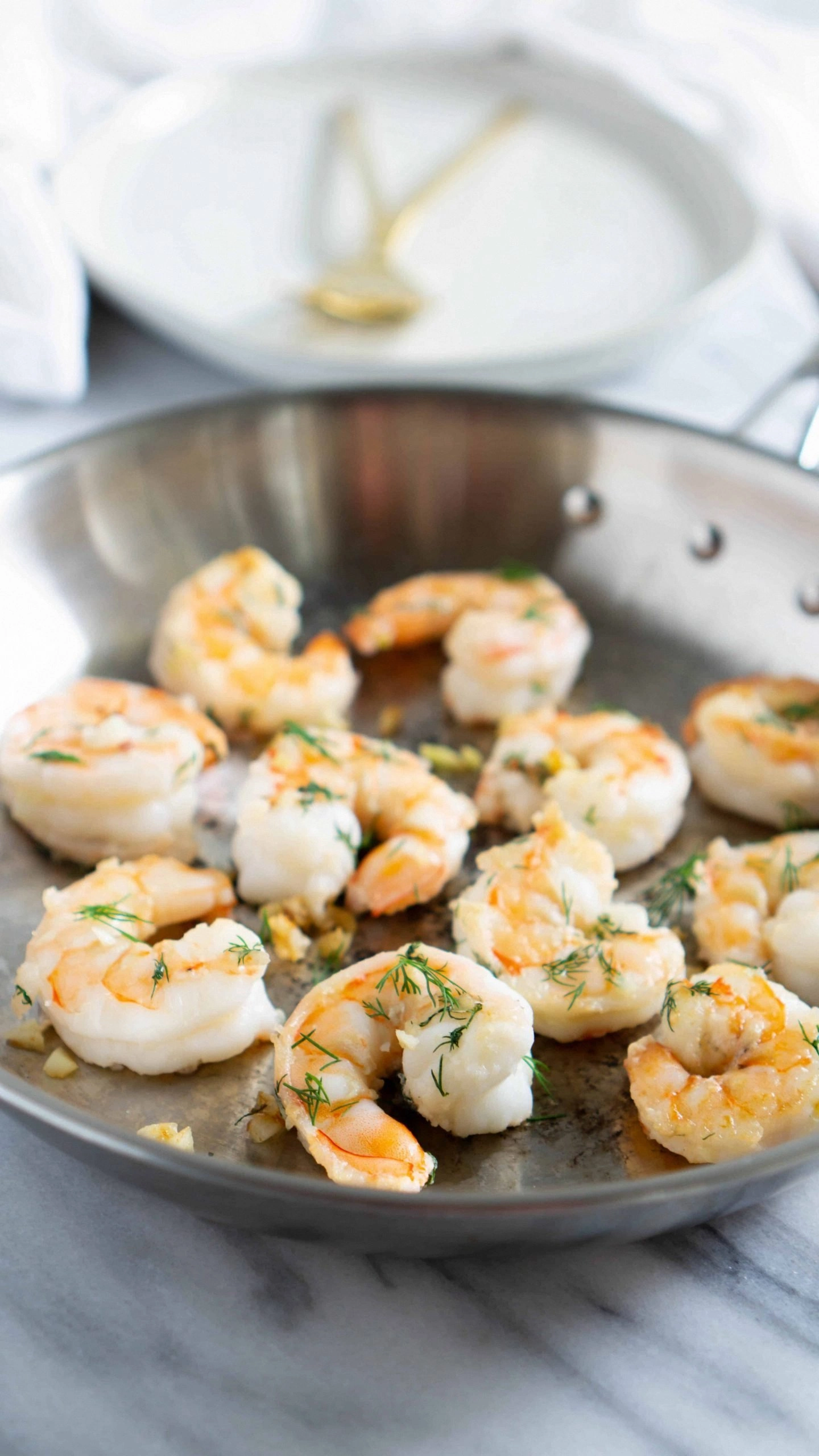
Picture this: the pan crackles as the first splash of olive oil meets the heat, the garlic releases a sweet, almost nutty aroma that lingers like a promise. The shrimp sizzles, turning from translucent to a brilliant pink in seconds, and the butter melts into a glossy, golden sauce that coats each shell like velvet. The white wine cuts through the richness, adding a subtle acidity that balances the buttery sweetness. Every bite is a harmony of textures—crispy edges that shatter like thin ice, a tender center that melts in your mouth, and a sauce that clings lovingly to every crevice.
What makes this version stand out from the endless variations you’ll find online? First, it’s all about the timing—shrimp cooks in 2–3 minutes, and if you’re off by a minute, you’re in the realm of overcooked, rubbery disappointment. Second, the use of white cooking wine, not the usual red or even lemon, adds a bright, clean finish that elevates the butter’s richness without overpowering the shrimp. Third, the garlic is finely minced, not sliced, ensuring every mouthful is infused with its punch without any clumps. Fourth, the final splash of butter at the end creates a silky finish that makes the dish feel indulgent without being greasy. And finally, the subtle sprinkle of freshly cracked black pepper and a pinch of sea salt at the end gives it that final pop of flavor that turns a good dish into an unforgettable one.
I dare you to taste this and not go back for seconds. This is hands down the best version you’ll ever make at home. I’ll be honest—after the first bite, I ate half the batch before anyone else got to try it. Most recipes get this completely wrong. Here’s what actually works. Picture yourself pulling this out of the pan, the whole kitchen smelling incredible, and guests leaning in for seconds. Okay, ready for the game‑changer? Let me walk you through every single step—by the end, you’ll wonder how you ever made it any other way.
What Makes This Version Stand Out
- Timing: Shrimp cooks in under 3 minutes. Over‑cooking turns it rubbery. This recipe’s quick method preserves the tender center.
- Wine Choice: White cooking wine adds brightness. It cuts butter’s richness without acidity. The result is a balanced, clean finish.
- Garlic Prep: Finely minced garlic releases flavor evenly. It avoids large, uneven bites of garlic.
- Butter Finish: A final splash of butter creates a silky glaze. It coats shells and adds a decadent sheen.
- Seasoning Precision: A pinch of sea salt and fresh black pepper at the end enhances natural shrimp sweetness.
- Texture Contrast: The shrimp’s edges become slightly crisp, while the interior remains juicy. The sauce’s thickness adds a luscious mouthfeel.
- Make‑ahead Potential: The shrimp can be pre‑cooked, stored in the fridge, and reheated with a splash of water. The sauce can be made in advance and reheated gently.
- Crowd Reaction: Guests often ask for the recipe after the first bite. The dish’s simplicity makes it a crowd‑pleaser.
Alright, let's break down exactly what goes into this masterpiece…
Inside the Ingredient List
The Flavor Base
Olive oil is the first note in this dish’s symphony. It creates a non‑stick surface, ensuring the shrimp sizzles rather than sears. The small amount—just half a tablespoon—keeps the focus on the shrimp’s natural sweetness. If you skip this step, the shrimp will stick to the pan, creating uneven cooking and a less refined finish.
The Butter & Wine Duo
Butter is the heart of this sauce, giving it that luxurious, silky texture. Three tablespoons are enough to coat every shell without making the dish greasy. The white cooking wine, a tablespoon, cuts through the butter’s richness and adds a subtle acidity that lifts the overall flavor. If you substitute the wine with lemon juice, the dish becomes too sharp and loses its depth.
The Garlic Symphony
Two large garlic cloves, minced finely, release their aromatic oils quickly. Garlic is the flavor driver, giving the shrimp a punch without overpowering it. If you leave the garlic in large pieces, you’ll get uneven distribution and a raw, bitter bite. For a milder garlic flavor, sauté until just translucent instead of letting it brown.
The Final Flourish
A pinch of sea salt and freshly cracked black pepper finish the dish. They enhance the shrimp’s natural sweetness and provide a subtle contrast to the buttery sauce. Skipping the pepper will leave the dish flat; the pepper’s heat is a small but essential counterpoint. If you’re on a low‑sodium diet, reduce the salt to a quarter teaspoon and taste as you go.
Everything's prepped? Good. Let's get into the real action…
The Method — Step by Step
- Heat a large skillet over medium‑high heat. Add the half tablespoon of olive oil and swirl until it coats the bottom. The oil should shimmer, not smoke. This step ensures a clean sear and prevents the shrimp from sticking.
- Add the minced garlic to the pan. Sauté for about 30 seconds until fragrant, watching closely so it doesn’t brown. The aroma should be sweet and nutty, not bitter. This brief sauté releases the garlic’s essential oils.
- Increase the heat to high and drop the shrimp into the pan. Arrange them in a single layer, leaving space between each piece. The shrimp should sizzle immediately, signaling the pan is hot enough.
- Cook the shrimp for 1–1½ minutes on the first side, until the edges start to turn pink and the surface looks slightly translucent. Flip them gently with a tongs. The shrimp should still be very tender; don’t let them brown.
- Add the tablespoon of white cooking wine to deglaze the pan. Scrape up any browned bits, which carry flavor into the sauce. The wine should evaporate quickly, leaving a subtle acidity.
- Lower the heat to medium and stir in the three tablespoons of butter. Let the butter melt completely, swirling it around the shrimp. The sauce should become glossy and slightly thickened.
- Season with a pinch of sea salt and freshly cracked black pepper. Taste the sauce; adjust if necessary. The pepper’s heat should be noticeable but not overpowering.
- Serve immediately over a bed of rice, pasta, or crusty bread to soak up the buttery sauce. Garnish with a squeeze of lemon or chopped parsley if desired. The dish is now ready for the applause.
That's it — you did it. But hold on, I've got a few more tricks that'll take this to another level…
Insider Tricks for Flawless Results
The Temperature Rule Nobody Follows
Many cooks keep the heat low, thinking it’ll prevent overcooking. The truth is, a high‑heat sear locks in juices and gives that desirable crispy edge. Keep the pan hot until the shrimp sizzles, then reduce to medium for the butter step. This contrast ensures tenderness inside and a golden exterior.
Why Your Nose Knows Best
Smell the garlic before you add it. If it smells sweet and nutty, it’s ready. A raw or slightly bitter aroma indicates it’s under‑cooked. Your nose is a reliable cue for timing, so trust it.
The 5‑Minute Rest That Changes Everything
Once the shrimp is done, let it rest in the sauce for 5 minutes. This resting period allows the flavors to marry and the shrimp to finish cooking in its own juices. It also makes the sauce thicker and more cohesive.
Avoiding Clumpy Garlic
If you’re in a hurry, finely grate the garlic instead of mincing. Grated garlic releases oil more evenly, preventing clumps. Just remember to press it lightly into the pan for even distribution.
The Secret Ingredient Swap
If you’re craving a smoky flavor, add a pinch of smoked paprika during the butter step. It adds depth without overpowering the shrimp. A friend once tried this and said the dish felt like a seaside barbecue.
Creative Twists and Variations
This recipe is a playground. Here are some of my favorite ways to switch things up:
Citrus Burst
Add a splash of fresh orange juice and a pinch of zest at the end. The citrus brightens the buttery sauce and adds a refreshing contrast. Perfect for summer gatherings.
Spicy Kick
Stir in a teaspoon of red pepper flakes or a dash of hot sauce during the butter step. The heat pairs wonderfully with the shrimp’s natural sweetness. Great for those who love a fiery bite.
Herbal Delight
Replace the parsley garnish with fresh basil or cilantro. The herbal notes lift the dish, making it feel lighter. Ideal for a Mediterranean twist.
Creamy Variation
Add a tablespoon of cream or coconut milk after the butter has melted. The sauce becomes richer and thicker, turning the dish into a comforting pasta sauce.
Pesto Fusion
Swirl in a spoonful of basil pesto right before serving. The pesto adds depth and a vibrant green hue. It’s a crowd‑pleaser for pesto lovers.
Asian Twist
Swap the white wine for a splash of rice wine and add a teaspoon of sesame oil. Finish with a sprinkle of toasted sesame seeds. The dish takes on an Asian‑inspired flavor profile.
Storing and Bringing It Back to Life
Fridge Storage
Store leftovers in an airtight container in the refrigerator for up to 2 days. The sauce may thicken; add a splash of water or broth before reheating to restore its silky texture. Keep the shrimp separate from the sauce if you prefer to reheat them individually.
Freezer Friendly
Freeze the shrimp and sauce in separate containers for up to 3 months. When ready to serve, thaw overnight in the refrigerator. Reheat gently on the stove, adding a splash of water to keep the sauce from drying out.
Best Reheating Method
Reheat over low heat, stirring frequently. Add a tiny splash of water or broth before heating. This trick steams the shrimp back to perfection and keeps the sauce glossy.