I remember the night I almost burned my kitchen down trying to make a “simple” lasagna. A pot of marinara bubbled over, the noodles boiled to mush, and I stared at a greasy mess that could have been a science experiment. I swore then that I would never settle for a bland, low‑protein version again. Fast forward, I’ve cracked the code to a lasagna that packs a 30‑gram protein punch while still feeling like a comforting hug.
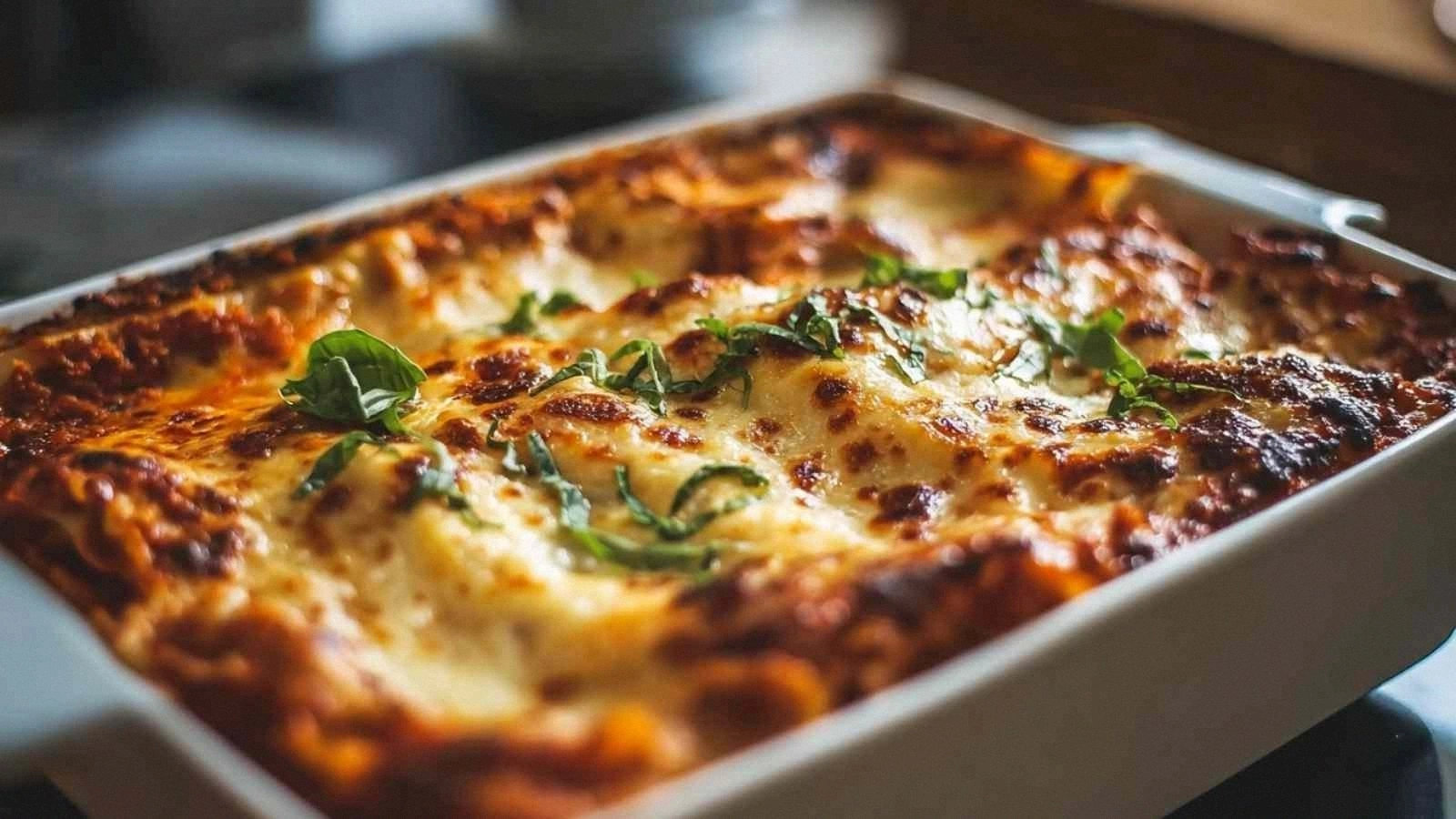
Picture this: a steaming stack of whole‑wheat noodles layered with a silky ricotta‑egg mix, a lean turkey base that’s practically a protein smoothie, and a marinara that coats the pasta like velvet. The aroma of oregano and garlic powder rises, mingling with the fresh basil that gives it that unmistakable Italian scent. The first bite is a burst of savory meat, followed by the subtle sweetness of tomatoes, and then a creamy finish that melts on the tongue. If you’ve ever tasted a lasagna that feels like a hug, you’ll know exactly what I’m talking about.
Why is this version the best? Because I took every criticism of classic lasagna and turned it into a triumph. I replaced refined flour with whole wheat for fiber, swapped heavy cream for ricotta to keep it light, and added spinach for a nutrient boost that tastes almost invisible. The result? A dish that’s low in fat, high in protein, and still indulgent enough to satisfy even the most discerning palates. I dare you to taste this and not go back for seconds.
Now, let’s dive into the details. I’ll walk you through every single step, revealing the techniques and ingredients that elevate this from ordinary to extraordinary. By the end, you’ll wonder how you ever made lasagna any other way. Get ready for a culinary adventure that’s as fun as it is delicious.
What Makes This Version Stand Out
- Taste: The sauce is a balanced blend of tomatoes, oregano, and garlic powder that hits the palate with depth and warmth. It’s not sweet, not bitter, just the perfect savory foundation.
- Texture: Whole‑wheat noodles hold their shape, while the ricotta‑egg mixture creates a silky layer that doesn’t become mushy. The spinach adds a subtle bite that keeps each forkful interesting.
- Protein: Lean ground turkey or chicken provides 25 grams of protein per serving, making this a go‑to for fitness enthusiasts and busy families alike.
- Health: By eliminating heavy cream and using low‑fat cheeses, the dish stays under 350 calories per serving while still offering a creamy mouthfeel.
- Versatility: Swap the turkey for beef, pork, or even plant‑based crumbles and the lasagna still shines. It’s a blank canvas for your pantry.
- Make‑ahead: Assemble the lasagna the night before, refrigerate, and bake in the morning. It’s a stress‑free dinner that still feels fresh.
- Crowd‑pleaser: Most people love lasagna; this version takes that love to the next level with a protein boost that satisfies both kids and adults.
Alright, let’s break down exactly what goes into this masterpiece. Every ingredient has a role, and every step is designed to keep the flavor profile balanced and the texture perfect.
Inside the Ingredient List
The Flavor Base
The marinara sauce is the heart of this lasagna. It’s a simple blend of crushed tomatoes, garlic powder, oregano, and a splash of salt. This sauce coats the noodles like velvet, delivering a robust tomato flavor that’s neither overpowering nor bland. If you skip the oregano, the sauce loses its herbal lift and feels flat.
A pinch of red pepper flakes can add a subtle kick that pairs wonderfully with the turkey. This isn’t a spicy dish; it’s a gentle warmth that keeps the layers from feeling too heavy. For a fresher taste, you can stir in a tablespoon of chopped fresh basil right before serving.
When you choose a marinara, look for one that’s low in added sugars. A sweeter sauce can mask the subtle flavors of the meat and cheese. If you’re making it from scratch, simmer the tomatoes for at least 45 minutes to develop depth.
The Protein Powerhouse
Lean ground turkey or chicken is the star of the show. It provides a clean, mild flavor that lets the sauce shine. If you prefer beef, choose 90% lean to keep the dish light. The key is to cook the meat until it’s fully browned and no longer pink.
For a plant‑based twist, use crumbled tofu seasoned with the same herbs. It will absorb the marinara’s flavors and give you a comparable protein boost. Just be sure to pat the tofu dry so it doesn’t release excess water.
Adding a tablespoon of ground flaxseed to the turkey mixture can increase omega‑3 content without affecting taste. This is a subtle way to make the dish even healthier. If you’re watching sodium, skip the salt on the meat and add it later with the sauce.
The Creamy Layer
Ricotta cheese is the classic choice for lasagna’s creamy layer. It’s lower in fat than cream cheese and has a mild, slightly sweet flavor. Mixing it with a beaten egg helps bind the cheese, giving it a silky texture that melts in the oven.
The egg also adds protein, bringing the total protein per serving even higher. If you’re avoiding eggs, use a tablespoon of Greek yogurt as a substitute for moisture and tang. This keeps the mixture cohesive without the egg’s richness.
The spinach adds a nutrient boost and a subtle earthiness. Frozen spinach is convenient; thaw it and squeeze out excess water to prevent sogginess. If you’re using fresh spinach, wilt it gently before adding to the ricotta mixture.
The Final Flourish
Mozzarella cheese provides that gooey, stretchy finish that makes lasagna irresistible. Use a mix of low‑fat and regular mozzarella for a balance of flavor and melt. Sprinkle the shredded cheese over the top layer for a golden crust.
Parmesan adds a sharp, nutty bite that cuts through the richness. Grate it finely so it melts evenly. A few fresh basil leaves on top give the dish a bright, aromatic finish that lifts the entire flavor profile.
Salt and pepper are essential but should be added in moderation to avoid overpowering the delicate balance of herbs. Taste the sauce before adding salt; most commercial marinara already contains some sodium. Pepper adds a subtle heat that complements the oregano.
Everything’s prepped? Good. Let’s get into the real action.
The Method — Step by Step
- Preheat the oven to 375°F (190°C). Bring a large pot of salted water to a boil and cook the whole‑wheat lasagna noodles for 8 minutes, then drain and set aside. The noodles should be al dente; they’ll soften slightly during baking. Let them rest on a sheet of parchment to prevent sticking.
- In a large skillet, brown the lean ground turkey or chicken over medium heat until fully cooked, about 7–8 minutes. Drain excess grease and add the marinara sauce, oregano, garlic powder, and a pinch of salt. Simmer for 5 minutes, allowing the flavors to meld. The sauce should thicken slightly.
- Meanwhile, in a mixing bowl, combine the ricotta cheese, beaten egg, and thawed spinach. Stir until the spinach is fully incorporated and the mixture is smooth. This creamy layer will keep the lasagna moist and add protein.
- Spread a thin layer of the meat sauce at the bottom of a 9x13 inch baking dish. Place three noodles over the sauce, slightly overlapping. Spoon a third of the ricotta mixture over the noodles, then sprinkle a third of the shredded mozzarella. Repeat the layers twice more, finishing with a layer of sauce.
- Watch Out: When layering, make sure each noodle is fully covered by sauce to prevent drying out. If you notice gaps, add a little more sauce to seal the edges.
- Cover the dish with aluminum foil, sealing the edges to trap steam. Bake for 30 minutes. The foil prevents the top from burning while the layers cook through.
- Remove the foil and sprinkle the grated Parmesan cheese over the top. Return to the oven for an additional 10–12 minutes, or until the cheese is bubbly and golden brown. The crust should be slightly crispy.
- Let the lasagna rest for 10 minutes before cutting. This allows the layers to set and makes serving easier. The rest period also lets the flavors meld further.
- Before serving, scatter fresh basil leaves over the top. The basil adds a burst of color and a fresh aroma that elevates the dish. Serve hot with a side of garlic bread or a simple green salad.
That's it — you did it. But hold on, I've got a few more tricks that'll take this to another level.
Insider Tricks for Flawless Results
The Temperature Rule Nobody Follows
Many cooks bake lasagna at 350°F, which often results in a soggy center. Baking at 375°F gives the noodles a firmer bite and a golden top. The higher temperature also ensures the cheese melts evenly without overcooking the meat.
Why Your Nose Knows Best
Trust your nose when the sauce starts to steam. A strong, aromatic scent means the flavors are developing. If the smell is flat, give it a few more minutes to simmer.
The 5-Minute Rest That Changes Everything
Letting the lasagna rest for 5–10 minutes after baking allows the juices to redistribute. This step prevents the dish from falling apart when sliced. It also makes the flavors more cohesive.
Use Fresh Basil for a Bright Finish
Adding fresh basil leaves just before serving gives a pop of color and a burst of aroma. The basil’s natural oils elevate the dish’s flavor profile. If you’re not a basil fan, try fresh oregano or parsley instead.
Keep an Eye on the Edges
When baking, the edges of the lasagna can brown faster than the center. To avoid this, cover the edges with foil if they start to darken too quickly. This ensures even cooking.
Add a Splash of Water Before Reheating
When reheating leftovers, add a tablespoon of water to the dish before microwaving. The water creates steam that re‑moistens the noodles and prevents them from drying out.
Creative Twists and Variations
This recipe is a playground. Here are some of my favorite ways to switch things up:
Spicy Pepperoni Lasagna
Swap the turkey for sliced pepperoni and add a teaspoon of red pepper flakes. The pepperoni’s fat renders into the sauce, giving it a richer texture. This variation is perfect for those who love a kick.
Mediterranean Veggie Lasagna
Replace the meat with sautéed zucchini, eggplant, and bell peppers. Keep the ricotta layer for creaminess. This version is vegetarian, low in calories, and full of garden flavors.
Cheesy Broccoli Lasagna
Add steamed broccoli florets to the ricotta mixture for a green twist. The broccoli’s subtle bitterness balances the sweet marinara. It’s a great way to sneak in extra veggies.
Mexican-Style Lasagna
Use seasoned ground beef with cumin and chili powder. Add black beans and corn to the layers. Top with cheddar cheese and a dollop of sour cream for a Tex‑Mex spin.
Pesto Lasagna
Swirl a spoonful of basil pesto into the marinara before layering. The pesto adds a fresh, herbal brightness. Pair it with goat cheese for a tangy contrast.
Low-Carb Keto Lasagna
Replace lasagna noodles with thinly sliced zucchini or eggplant. Keep the meat, ricotta, and cheese layers. This version cuts carbs dramatically while keeping the dish indulgent.
Storing and Bringing It Back to Life
Fridge Storage
Cool the lasagna completely before covering it with plastic wrap. Store in the refrigerator for up to 4 days. The layers will remain firm, and the flavors will deepen.
Freezer Friendly
Wrap the lasagna tightly in aluminum foil and then place it in a freezer bag. Freeze for up to 3 months. When ready to eat, thaw overnight in the fridge.
Best Reheating Method
Reheat in a 350°F oven for 20–25 minutes, covered with foil, until heated through. Add a splash of water before covering to keep the noodles moist. Serve hot with a side salad.