Love this? Pin it for later! 📌
Low-Calorie Lemon Roasted Root Vegetables for Family Clean Eating
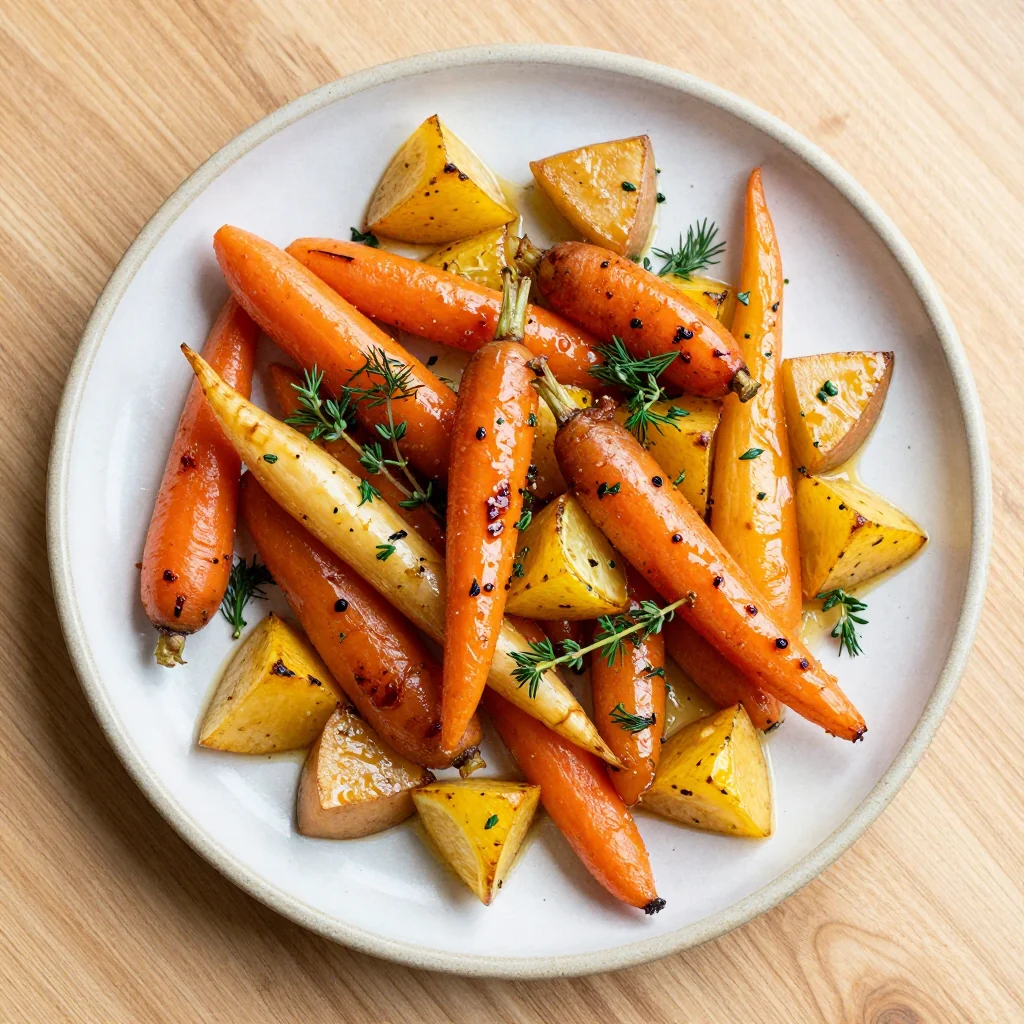
There's something magical about opening the oven door and being greeted by a sheet pan of glistening, caramelized vegetables that smell like sunshine and taste like comfort—without the calorie overload. This vibrant medley has become my family's weeknight hero, transforming humble roots into a restaurant-worthy centerpiece that even my picky nine-year-old devours. Last Tuesday, between homework help and piano practice, I tossed these vegetables together, squeezed fresh lemon over the top, and 35 minutes later we were gathered around the table, forks clinking against plates, everyone reaching for seconds. The best part? Each generous serving clocks in at under 180 calories while delivering a powerhouse of fiber, vitamins, and that satisfying roasted sweetness we all crave during cooler months.
Why This Recipe Works
- One-Pan Wonder: Everything roasts together on a single sheet pan, meaning minimal cleanup and maximum flavor development as the vegetables share their natural sugars.
- Bright Lemon Zing: Fresh lemon juice and zest added at two different stages creates layers of citrus flavor that cuts through the earthiness of root vegetables.
- Family-Friendly Portions: Generous 1.5-cup servings ensure everyone leaves satisfied while maintaining the calorie-conscious approach.
- Meal Prep Champion: These vegetables taste even better the next day, making them perfect for Sunday prep and weekday lunches.
- Nutrient Density: Each serving provides 8g fiber, 120% daily vitamin A, and powerful antioxidants from the rainbow of vegetables.
- Flexible Seasoning: The base recipe is delicious plain, but takes beautifully to herbs and spices from Mediterranean to Asian flavor profiles.
Ingredients You'll Need
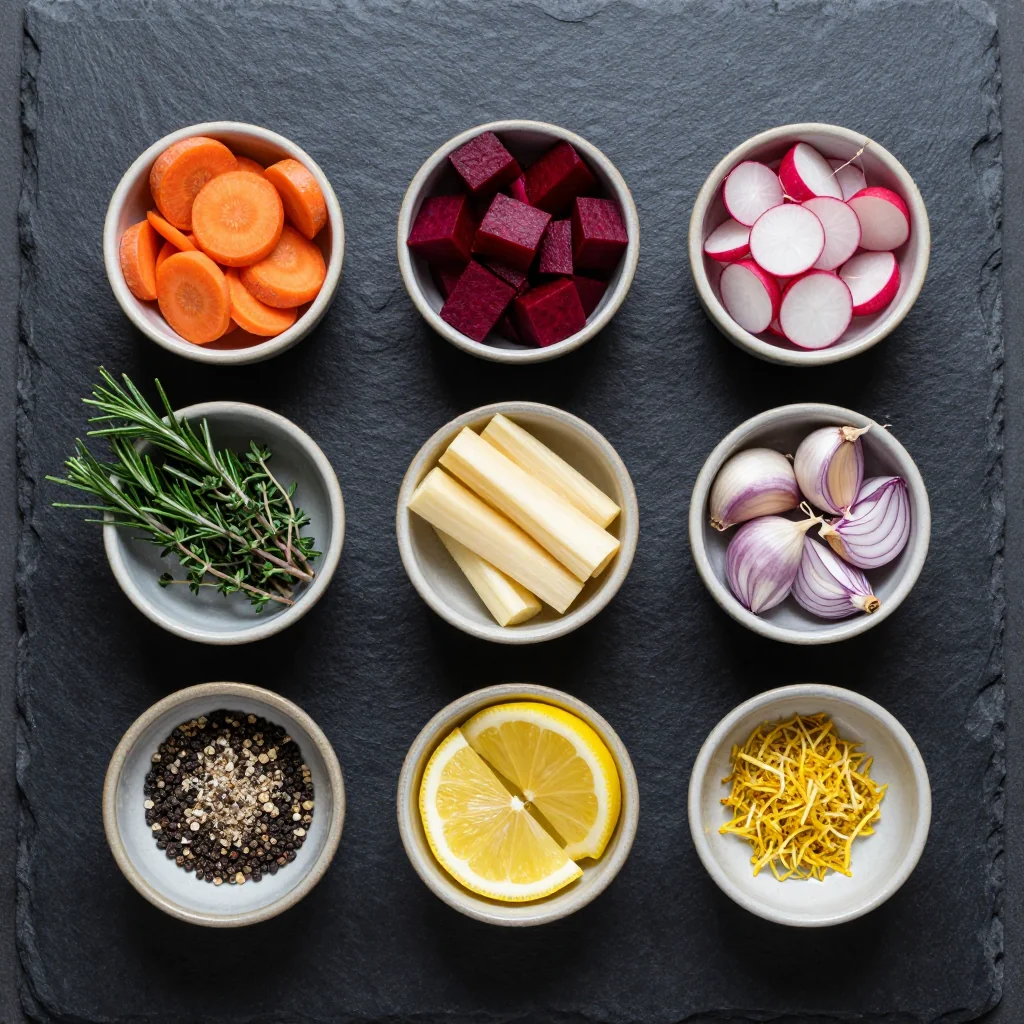
This recipe celebrates the natural sweetness and vibrant colors of root vegetables, elevated by bright citrus and aromatic herbs. Each ingredient plays a crucial role in creating the perfect balance of flavors and textures. Let's explore what makes each component special:
The Vegetable Medley
Carrots (3 large) – Look for firm, brightly colored carrots with smooth skin. I prefer the sweeter Nantes variety when available. If your carrots come with tops, remove them before storing as they draw moisture from the roots. Rainbow carrots create stunning visual appeal, but regular orange carrots work beautifully.
Parsnips (2 medium) – Choose smaller parsnips as larger ones can be woody in the center. They should feel firm and heavy for their size. Parsnips add a delightful nutty sweetness and creamy texture when roasted. If parsnips aren't available, substitute with turnips or additional carrots.
Beets (2 medium) – Golden beets are my go-to for this recipe because they don't stain everything red like red beets do. Look for beets with smooth, unblemished skin and firm texture. If using red beets, roast them on a separate section of the pan to prevent color bleeding.
Sweet Potato (1 large) – Opt for orange-fleshed varieties like Garnet or Jewel for their natural sweetness and creamy texture. Choose sweet potatoes that feel heavy and have unblemished skin. Avoid those with soft spots or sprouts.
The Flavor Enhancers
Fresh Lemons (2) – Organic lemons are worth the splurge since we're using both zest and juice. The zest contains essential oils that provide intense lemon flavor without additional acidity. Look for lemons with thin, smooth skin and no soft spots.
Fresh Thyme (3 sprigs) – This woody herb infuses the vegetables with earthy, slightly minty notes. If fresh thyme isn't available, use 1 teaspoon dried thyme. Rosemary makes an excellent substitute if you prefer its pine-like aroma.
Extra Virgin Olive Oil (2 tablespoons) – A good quality olive oil makes a difference here. Look for cold-pressed varieties in dark bottles. The oil helps vegetables caramelize while adding heart-healthy fats that aid in nutrient absorption.
How to Make Low-Calorie Lemon Roasted Root Vegetables for Family Clean Eating
Preheat and Prepare
Position your oven rack in the center and preheat to 425°F (220°C). This high temperature is crucial for proper caramelization. Line a large rimmed baking sheet with parchment paper or a silicone mat for easy cleanup. If you don't have parchment, lightly oil the pan to prevent sticking.
Prep the Vegetables
Wash and peel all vegetables. Cut carrots and parsnips into 2-inch pieces, then halve lengthwise. Cube sweet potato into 1-inch pieces. For beets, trim tops and roots, then cut into wedges. The key is uniformity – vegetables of similar size roast evenly. Place each type in a separate bowl initially to prevent beet staining.
Create the Lemon Marinade
Zest both lemons using a microplane, being careful to avoid the bitter white pith. Juice the lemons, removing any seeds. In a small bowl, whisk together lemon juice, half the zest, olive oil, minced garlic, salt, and pepper. This bright marinade will infuse the vegetables with flavor as they roast.
Season the Vegetables
Combine all vegetables in a large bowl. Pour the lemon marinade over top and toss thoroughly to coat every piece. Add fresh thyme leaves by running your fingers along the stems. The vegetables should be glossy but not swimming in oil. Over-oiling leads to soggy rather than crispy vegetables.
Arrange for Success
Spread vegetables in a single layer on your prepared baking sheet, ensuring pieces don't touch. Overcrowding steams rather than roasts vegetables. If necessary, use two pans. Nestle remaining thyme sprigs among the vegetables. These will infuse the oil and create aromatic steam.
Roast with Precision
Slide the pan into the preheated oven and roast for 20 minutes. The high heat will start caramelization. Remove and flip vegetables with a spatula, ensuring even browning. Return to oven for another 15-20 minutes until vegetables are tender and edges are golden-brown.
Final Lemon Boost
Remove vegetables from oven and immediately squeeze fresh lemon juice over the hot vegetables. The heat will mellow the acidity while preserving the bright flavor. Sprinkle remaining lemon zest and fresh parsley for color and freshness. This final addition elevates the entire dish.
Serve and Enjoy
Transfer to a warm serving platter or serve directly from the pan. These vegetables pair beautifully with grilled chicken, fish, or as a hearty vegetarian main dish. Leftovers transform into spectacular salads, grain bowls, or breakfast hash. Store any remaining vegetables in an airtight container.
Expert Tips
Temperature Matters
Don't be tempted to lower the temperature for faster cooking. The high heat is essential for caramelization—that magical process where natural sugars create complex flavors and appealing brown edges. A lower temperature results in steamed, pale vegetables.
Pat Dry for Crispness
Ensure vegetables are completely dry before oiling. Excess moisture creates steam, preventing proper browning. After washing, spread vegetables on a clean kitchen towel and pat thoroughly dry. This extra step makes the difference between good and spectacular roasted vegetables.
Don't Overcrowd
Give your vegetables personal space! Each piece needs room for hot air to circulate. If vegetables are touching, they'll steam instead of roast. Use two pans rather than cramming everything together. Your patience will be rewarded with perfectly caramelized edges.
Flip for Even Browning
About halfway through roasting, flip vegetables with a thin spatula. This ensures even browning on all sides. Don't worry about flipping every piece perfectly—the goal is to expose different surfaces to the hot pan for optimal caramelization.
Lemon Timing is Key
Add half the lemon juice before roasting for flavor penetration, but save the rest for after cooking. Lemon juice added before roasting can burn and turn bitter. The final squeeze brightens the entire dish and adds fresh complexity.
Size Consistency
Cut vegetables into similar-sized pieces for even cooking. Dense vegetables like beets and sweet potatoes can be slightly smaller as they take longer to cook. Softer vegetables like zucchini should be larger to prevent overcooking.
Variations to Try
Mediterranean Style
Add 1 teaspoon dried oregano, 1/2 cup pitted Kalamata olives, and 2 tablespoons capers before roasting. Finish with crumbled feta cheese and chopped fresh dill.
+30 caloriesAsian-Inspired
Replace olive oil with sesame oil, add 1 tablespoon grated ginger and 2 tablespoons low-sodium soy sauce. Garnish with toasted sesame seeds and sliced green onions.
+25 caloriesSpicy Harissa
Mix 2 tablespoons harissa paste into the oil before tossing with vegetables. Add chickpeas for protein and serve with cooling yogurt sauce.
+45 caloriesAutumn Harvest
Swap sweet potatoes for butternut squash, add Brussels sprouts and apple chunks. Season with cinnamon and nutmeg for warm autumn flavors.
Same caloriesProtein-Packed
Add 1 can drained chickpeas or white beans during the last 15 minutes of roasting. This transforms the side dish into a satisfying vegetarian main course.
+85 caloriesHerb Garden
Use whatever fresh herbs you have: rosemary, sage, oregano, or tarragon all work beautifully. Add hardy herbs at the beginning, delicate ones like parsley or cilantro at the end.
Same caloriesStorage Tips
Refrigerator Storage
Store cooled vegetables in an airtight container for up to 5 days. Place a paper towel in the container to absorb excess moisture and prevent sogginess. The flavors actually intensify after the first day, making these perfect for meal prep.
Pro tip: Store in portion-sized containers for grab-and-go lunches throughout the week. They reheat beautifully in the microwave for 60-90 seconds.
Freezer Instructions
While roasted vegetables can be frozen, their texture changes upon thawing. If freezing is necessary, undercook slightly (reduce roasting time by 5 minutes). Freeze in single layers on a tray, then transfer to freezer bags for up to 3 months. Thaw overnight in the refrigerator and reheat in a hot oven to restore some crispness.
Reviving Leftovers
Refresh refrigerated vegetables by spreading on a baking sheet and warming in a 400°F oven for 8-10 minutes. This restores their crisp edges and intensifies flavors. Alternatively, toss cold vegetables into salads, grain bowls, or blend into soups for added nutrition and flavor.
Frequently Asked Questions
Soggy vegetables usually result from overcrowding the pan or excess moisture. Ensure vegetables are completely dry before oiling, use a large enough pan so pieces don't touch, and maintain the high oven temperature. Also, avoid using too much oil—vegetables should be lightly coated, not dripping.
Absolutely! Cut and season vegetables up to 24 hours ahead, storing covered in the refrigerator. Let them sit at room temperature for 30 minutes before roasting. You can also roast them completely ahead and reheat at 400°F for 10-12 minutes just before serving. They'll taste freshly made.
Root vegetables with similar density roast well together: carrots, parsnips, beets, sweet potatoes, turnips, and rutabaga. Softer vegetables like bell peppers, zucchini, and onions should be added during the last 15-20 minutes to prevent overcooking. Always cut denser vegetables smaller for even cooking.
Use golden or chioggia beets instead of red varieties. If using red beets, wear gloves when handling, roast them on a separate section of the pan, and add them to the mixed vegetables just before serving. You can also slightly undercook red beets to minimize color bleeding.
While oil helps with browning and flavor, you can reduce calories by using olive oil spray or substituting with vegetable broth. Toss vegetables with 2-3 tablespoons broth and lemon juice. They won't caramelize as deeply but will still be delicious. Add 2-3 extra minutes to roasting time.
For best results, reheat in a 400°F oven for 8-10 minutes or in an air fryer at 375°F for 5-6 minutes. This restores crispness better than microwaving. If using a microwave, place a damp paper towel over the vegetables and heat in 30-second intervals, stirring between each interval.
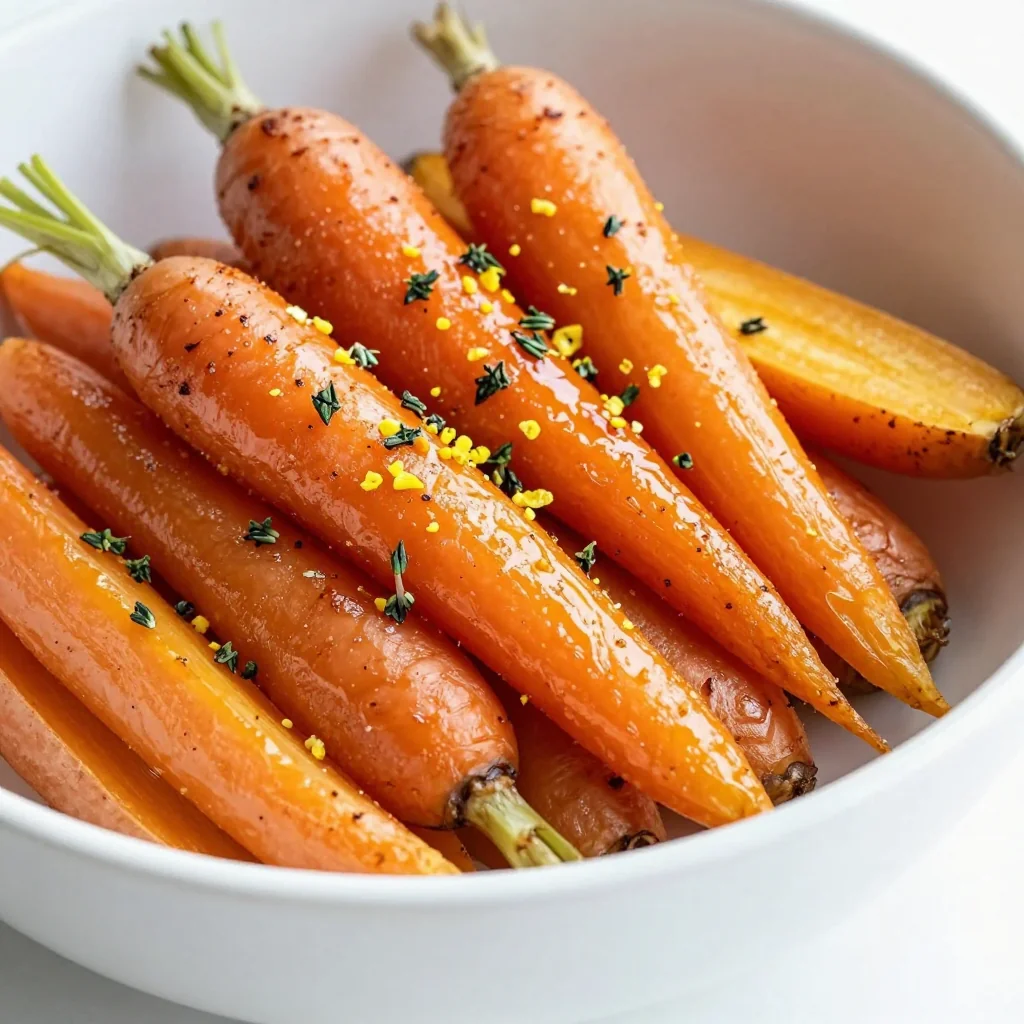
Low-Calorie Lemon Roasted Root Vegetables
Ingredients
Instructions
- Preheat oven: Position rack in center and preheat to 425°F (220°C). Line a large rimmed baking sheet with parchment paper.
- Prepare vegetables: Wash, peel, and cut all vegetables into uniform sizes. Place in a large bowl.
- Make marinade: In a small bowl, whisk together olive oil, juice of 1 lemon, half the lemon zest, minced garlic, salt, and pepper.
- Season: Pour marinade over vegetables, add thyme leaves, and toss to coat evenly.
- Arrange: Spread vegetables in a single layer on prepared baking sheet. Add remaining thyme sprigs.
- Roast: Bake for 20 minutes, flip vegetables, then continue roasting for 15-20 minutes until tender and golden.
- Finish: Remove from oven, squeeze remaining lemon juice over hot vegetables, and sprinkle with remaining zest and parsley.
- Serve: Transfer to serving platter and enjoy hot, warm, or at room temperature.
Recipe Notes
For meal prep, double the recipe and store portions in airtight containers. These vegetables taste even better the next day! Add chickpeas during the last 15 minutes for a complete vegetarian meal.