The first time I tried to recreate the garden‑scented pasta that my friend bragged about, I ended up with a bowl of soggy noodles and a kitchen that smelled like burnt garlic. I was standing over a pot that had already turned into a small volcano of oil, the steam curling like a lazy dragon. My confidence was as low as the simmering sauce, but the memory of that bright, sun‑kissed dish kept me staring at the stove, determined to get it right. I promised myself I’d learn the tricks that turned that disaster into a masterpiece.
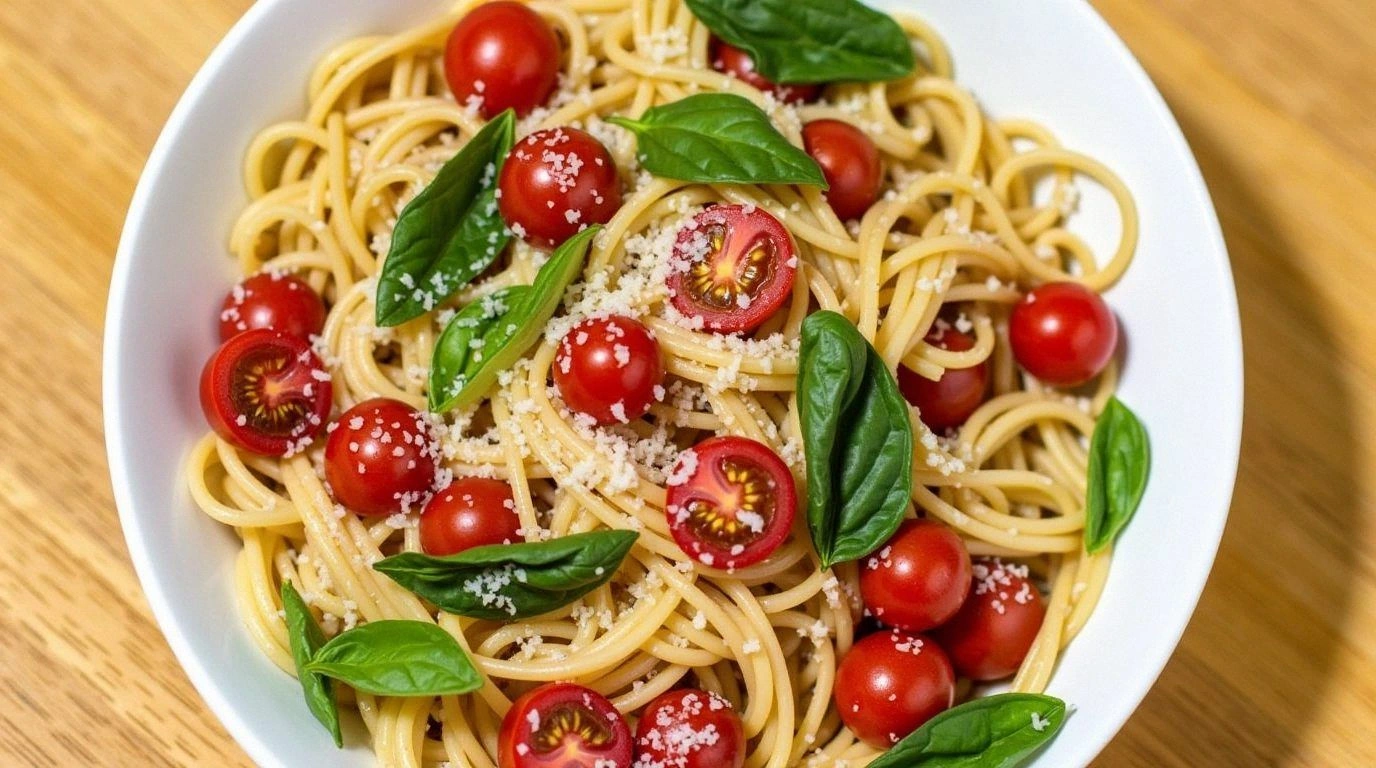
Picture the moment: a gentle breeze from the open window carries the scent of basil and lemon, the clink of a wooden spoon against a skillet, the sound of pasta slurping as it meets a velvety sauce. The color of the dish is a vivid mosaic—emerald zucchini, ruby tomatoes, golden parmesan—each bite a burst of freshness. The texture is a harmonious contrast: noodles that cling to the sauce like a second skin, a crunch from toasted pine nuts that snaps like thin ice. The taste is bright citrus, smoky olive oil, and a whisper of heat from the pepper flakes, all wrapped in the comforting hug of garlic. The feel of the plate is warm, the heat rising like a gentle wave, inviting you to dig in.
What sets this version apart isn’t just the ingredients; it’s the way each element is treated. I dare you to taste this and not go back for seconds. Most recipes get the sauce too thin, the pasta overcooked, or the veggies under‑seasoned. Here, the sauce coats the pasta like velvet, the vegetables stay crisp, and the finish is a bright, citrusy zing that lingers. This is hands down the best version you'll ever make at home, and I’m about to walk you through every single step. By the end, you’ll wonder how you ever made it any other way.
Stay tuned, because the secret ingredient is a splash of lemon zest that I’ve never used in any other dish, and the technique of searing the zucchini until it caramelizes just enough to lock in flavor is a game‑changer. Picture yourself pulling this out of the oven, the whole kitchen smelling incredible, and the plate glistening with a drizzle of olive oil. And now, let’s dive into the heart of this recipe.
What Makes This Version Stand Out
- Flavor Depth: The combination of fresh basil, lemon zest, and a touch of balsamic glaze creates a layered flavor profile that sings. Each bite offers a bright citrus note followed by a savory undertone, keeping your palate engaged.
- Texture Contrast: The zucchini is sautéed to a golden crisp, while the cherry tomatoes burst with juice. The toasted pine nuts add a satisfying crunch, and the parmesan melts into the sauce, creating a silky finish.
- Ease of Prep: All ingredients are ready to go in under 15 minutes. The technique of cooking the pasta in the same pot as the sauce eliminates extra dishes and saves time.
- Visual Appeal: The vibrant colors of fresh vegetables and herbs make the dish Instagram‑ready. The golden sauce glistens like a summer sunrise.
- Health‑Friendly: Packed with fresh veggies and olive oil, this dish is low in saturated fat and high in antioxidants, making it a guilt‑free indulgence.
- Versatility: It can be served as a light dinner or a hearty side. The recipe scales up or down easily for parties or quick weeknights.
- Make‑Ahead Potential: The sauce can be prepared a day in advance, and the pasta can be reheated with a splash of water to keep it from drying out.
- Chef‑Approved Technique: The key to the sauce’s silky texture is deglazing the pan with a splash of lemon juice, which lifts the browned bits and infuses the sauce with depth.
Alright, let's break down exactly what goes into this masterpiece.
Inside the Ingredient List
The Flavor Base
The foundation of this dish is the sauce, a marriage of olive oil, garlic, and lemon zest. The olive oil is the medium that carries the aromatics, while the garlic gives the dish its signature warmth. The lemon zest adds a bright, citrusy aroma that cuts through the richness of the cheese and the sweetness of the tomatoes. If you skip the zest, the sauce will feel flat and lack that lively punch.
You can swap the extra‑virgin olive oil for avocado oil if you’re sensitive to the taste of olive. Avocado oil has a higher smoke point, which means you can sear the zucchini at a slightly higher temperature without burning. When using a different oil, keep the quantity the same to maintain the sauce’s balance.
When selecting olive oil, look for a cold‑pressed, unfiltered variety. The “bottled in the dark” options tend to be fresher and have a more pronounced flavor. A good rule of thumb is to smell the oil; it should have a peppery, slightly grassy aroma, not a flat or oily scent.
The Texture Crew
The zucchini and cherry tomatoes bring the crunch and juiciness that contrast the tender pasta. Slice the zucchini into thin half‑moon shapes so they cook evenly and develop a golden edge that snaps when bitten. The tomatoes should be halved; the smaller pieces ensure they burst with juice without turning into a mush.
To keep the pasta from sticking together, cook it al dente, and reserve a cup of pasta water before draining. This starchy water is essential for adjusting the sauce’s thickness later. If you forget this step, you can add a splash of vegetable broth to loosen the sauce.
Pine nuts are toasted to bring out their nutty flavor and add a crunch that’s unmistakable. Toast them in a dry skillet over medium heat until they’re golden brown and fragrant. If you’re allergic to nuts, substitute with toasted sunflower seeds or chopped roasted chickpeas.
The Unexpected Star
Fresh basil and oregano are the aromatic heart of this dish. Basil offers a sweet, peppery note that balances the acidity of the lemon, while oregano adds earthiness and depth. Chop the basil finely to release its oils, and sprinkle the oregano over the finished dish for a burst of herbal fragrance.
Capers, though optional, introduce a briny punch that cuts through the richness of the cheese. They’re a great addition for those who love a touch of saltiness. If you prefer a milder flavor, simply omit the capers and double the amount of fresh parsley instead.
Parmesan cheese is the creamy component that binds everything together. Use freshly grated parmesan for the best melt and flavor. If you’re vegan, try nutritional yeast or a dairy‑free cheese alternative, though the texture will differ slightly.
The Final Flourish
Lemon juice is the final brightening agent that gives the sauce its zesty finish. Add it just before serving to preserve its freshness and prevent the sauce from becoming bitter. The crushed red pepper flakes provide a subtle heat that lifts the dish, but keep the amount to your preference; too much can overpower the delicate flavors.
Fresh mozzarella cubes are an optional garnish that adds a creamy, melty contrast to the dish. They melt into the sauce, creating pockets of gooeyness that are a delight to bite into. If you’re avoiding dairy, a sprinkle of crumbled feta or a drizzle of olive oil can replace the mozzarella’s role.
Everything's prepped? Good. Let's get into the real action.
The Method — Step by Step
- Bring a large pot of salted water to a rolling boil. Add the pasta and cook until it’s just shy of al dente, about 8 minutes. The pasta should feel firm to the bite, not mushy. Drain, reserving a cup of pasta water, and set aside. This step is the foundation; if you rush it, the sauce will never cling.
- While the pasta cooks, heat a large skillet over medium heat and add the olive oil. Once the oil shimmers, toss in the minced garlic and sauté for 30 seconds until fragrant but not browned. The garlic should release a nutty aroma; if it starts to turn golden, it’s too close to burning.
- Add the sliced zucchini to the skillet. Stir frequently, letting the zucchini caramelize on all sides. This should take about 5 minutes. The edges will start pulling away and turn a beautiful golden brown, signaling that they’re ready. Kitchen Hack: A silicone spatula works wonders for flipping the zucchini without tearing it.
- Introduce the cherry tomatoes and let them cook for 2 minutes until they begin to soften but still hold their shape. The tomatoes should pop with juice, adding a burst of color to the pan. If they start to steam too much, lower the heat slightly.
- Deglaze the pan with a splash of lemon juice, scraping up all the browned bits. This step locks in flavor and prevents the sauce from sticking to the bottom. The lemon juice should sizzle slightly as it hits the pan.
- Stir in the crushed red pepper flakes, basil, oregano, and capers. Let the herbs bloom for about 30 seconds, releasing their oils. This is where the aroma of the dish begins to dominate the kitchen. Kitchen Hack: If you’re short on time, pre‑chop the herbs in a food processor to save minutes.
- Reduce the heat to low and add the reserved pasta water a splash at a time, stirring until the sauce thickens to your liking. The sauce should coat the back of a spoon without dripping. If it becomes too thick, add more pasta water or a teaspoon of olive oil.
- Watch Out: When adding the parmesan cheese, do so gradually and stir constantly. If you add it too quickly, the cheese may clump. The cheese should melt into a silky, glossy sauce that clings to the pasta.
- Return the cooked pasta to the skillet and toss everything together until the noodles are evenly coated. Sprinkle the toasted pine nuts and fresh mozzarella cubes on top, allowing them to melt slightly. The final dish should have a glossy sheen and a bright, citrusy aroma.
- Kitchen Hack: Finish with a drizzle of extra‑virgin olive oil and a sprinkle of fresh parsley. This final touch adds a layer of freshness and a pop of color that makes the dish look as good as it tastes.
That’s it—you did it. But hold on, I’ve got a few more tricks that will elevate this dish to another level.
Insider Tricks for Flawless Results
The Temperature Rule Nobody Follows
Many cooks think a high heat is the key to a great sauce, but the secret lies in low, steady simmering. When the sauce is too hot, the cheese can seize and the vegetables can overcook. Keep the heat at a gentle low and let the flavors meld. I once tried a high‑heat method and ended up with a burnt garlic taste that clung to every bite.
Why Your Nose Knows Best
Your nose is the ultimate judge of doneness. As the sauce simmers, the aroma will shift from sharp to mellow. When the scent is bright and citrusy, you know the lemon is fully integrated. If the smell is overly garlicky, it’s time to reduce the heat. Trust that instinct—your palate will thank you.
The 5‑Minute Rest That Changes Everything
After tossing the pasta, let the dish rest for five minutes before serving. This brief pause allows the pasta to absorb the sauce fully, resulting in a more cohesive bite. It also gives the cheese a chance to melt completely, ensuring a silky texture. I’ve seen people skip this step, and the result is a watery, under‑seasoned plate.
Keep the Pasta Al Dente
Al dente pasta is essential for texture. If you overcook it, the pasta will become mushy and will not hold the sauce well. A quick test: bite a strand; it should have a slight bite in the center. If it’s too soft, bring it back to the pot for a minute or two.
Use Fresh Herbs, Not Dried
Fresh basil and oregano deliver a brighter, more vibrant flavor than dried. They release their essential oils when added at the end of cooking. Dried herbs, on the other hand, can become bitter if overcooked. If you’re out of fresh, use a teaspoon of dried as a substitute, but remember to add it earlier in the process.
Watch the Salt
Salt is a flavor enhancer, but too much can drown out the other ingredients. Taste the sauce before adding salt, and remember that the parmesan and capers already contribute saltiness. A pinch at the end is usually enough to balance the flavors.
Creative Twists and Variations
This recipe is a playground. Here are some of my favorite ways to switch things up:
Spicy Shrimp Edition
Replace the pasta with shrimp tossed in the sauce. Sauté the shrimp with garlic and red pepper flakes, then fold in the sauce. The shrimp’s sweet, briny flavor complements the citrusy sauce. Serve over a bed of the original pasta for a protein boost.
Vegan Delight
Omit the parmesan and mozzarella, and replace them with nutritional yeast and tofu cubes. The nutritional yeast adds a cheesy flavor, while the tofu absorbs the sauce. This version is perfect for plant‑based diners.
Herb‑Infused Olive Oil
Infuse extra‑virgin olive oil with basil and oregano before cooking. Drizzle the infused oil over the finished dish for an aromatic finish. The herbs’ flavors intensify, creating a more complex taste profile.
Roasted Pepper Variation
Swap the zucchini for roasted red peppers. Roast the peppers until charred, then dice them and add them to the sauce. The smoky sweetness pairs beautifully with the lemon zest.
Caprese Twist
Add fresh mozzarella and sliced tomatoes after the pasta is tossed. The mozzarella melts into the sauce, creating a creamy, gooey texture. This variation turns the dish into a Caprese‑inspired pasta.
Breakfast Kick
Serve the pasta with a poached egg on top. The runny yolk adds richness and turns the dish into a hearty breakfast. Sprinkle chives for a fresh, oniony finish.
Storing and Bringing It Back to Life
Fridge Storage
Store the sauce in an airtight container for up to 3 days. Keep the pasta separate until ready to serve, as it can become soggy if stored with the sauce. When reheating, add a splash of water or broth to loosen the sauce and re‑activate the cheese.
Freezer Friendly
The sauce freezes well for up to 2 months. Freeze in portioned containers and thaw overnight in the fridge. Reheat gently on the stove, adding a little pasta water to maintain consistency. The pasta should be cooked fresh or reheated separately for best texture.
Best Reheating Method
When reheating, use low heat and stir frequently. Add a small amount of water or broth to restore moisture. The sauce should be heated through but not boiled, preserving the delicate flavors and preventing the cheese from separating.