
Introduction
I was in the middle of a late‑night kitchen experiment when my trusty skillet betrayed me, sending a splash of butter onto the stove and setting off a chain reaction that ended with a burnt onion. The moment the smoke alarm started wailing, I realized I had stumbled onto a culinary revelation: a buttery, golden rice that could rescue any dinner. This isn’t just a side dish; it’s a fragrant, silky companion that turns ordinary jasmine rice into a showstopper. The secret? Caramelized onions, a splash of lemon zest, and a whisper of thyme that dance together like a well‑tuned orchestra. If you’ve ever wondered how to transform plain rice into a crowd‑pleaser, keep reading—this recipe is a game‑changer.
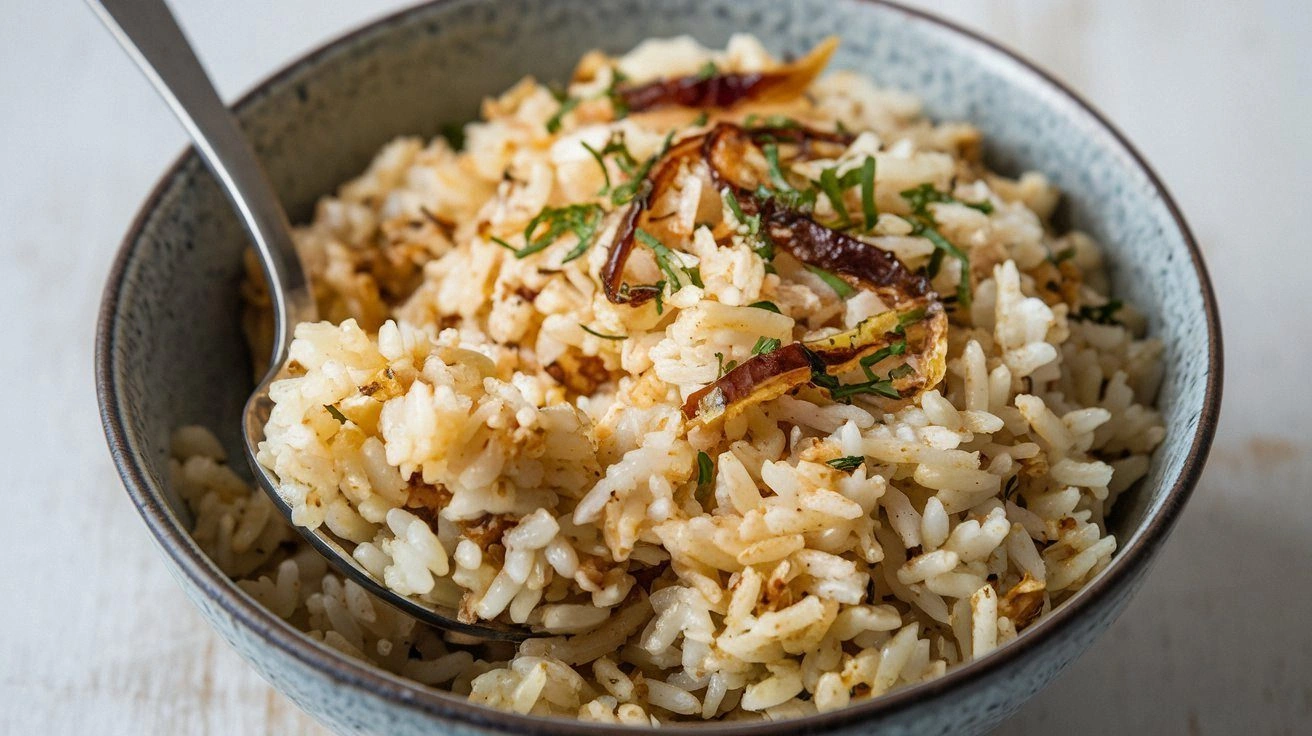
Picture the kitchen: the air thick with the aroma of butter melting, onions slowly turning amber, and jasmine rice absorbing every savory note. The sound is a soft, comforting sizzle that tells you something delicious is about to happen. When you take that first spoonful, the rice feels fluffy yet tender, the onions add a subtle crunch, and the lemon zest lifts the entire dish into the realm of the extraordinary. I dare you to taste this and not go back for seconds—because once you’ve experienced the buttery embrace, you’ll never settle for plain again. Trust me, I ate half the batch before anyone else even had a chance to try it.
What sets this version apart is the meticulous balance of flavors and textures. The caramelized onions provide a natural sweetness that pairs perfectly with the sharpness of lemon zest, while the butter gives a silky finish that coats each grain like velvet. The addition of thyme and a pinch of cayenne adds depth without overpowering, creating a subtle heat that lingers on the palate. Most recipes get this completely wrong, tossing in too much liquid or over‑cooking the rice until it becomes mushy. Here, the method is simple, the ingredients are fresh, and the result is a dish that feels both comforting and sophisticated.
I’ve spent weeks tweaking this recipe, testing different types of rice, butter ratios, and even the timing of the onion caramelization. The result? A golden, fragrant rice that looks like it’s been kissed by sunshine and tastes like a warm hug. The technique that I’ll reveal involves a precise sauté of onions and garlic before the rice is toasted, which locks in flavor and prevents sticking. This subtle step is the secret sauce that elevates the dish from ordinary to unforgettable. By the end of this post, you’ll wonder how you ever cooked rice any other way.
I know you’re probably thinking about the time it takes—don’t worry, it’s quick. The whole process from start to finish takes less than an hour, and the best part is that the rice continues to steam while you prep the rest of your meal. If you’re cooking for a crowd, this dish can be made ahead and reheated with a splash of water to keep it fluffy. The aroma alone will have your guests lining up for a taste, and the buttery texture will have them asking for the recipe. Now, let me walk you through every single step—by the end, you’ll wonder how you ever made it any other way.
I’ll be honest—this dish has become my go‑to side for everything from grilled chicken to roasted vegetables. The next time you’re craving something that feels indulgent without the guilt, reach for this buttery, golden rice. It’s a testament to how a few simple ingredients, when handled with care, can create a culinary masterpiece that satisfies both the eye and the taste buds. So grab your skillet, gather the ingredients, and let’s dive into the details that make this recipe truly stand out. Stay with me, because the next few steps are pure magic.
What Makes This Version Stand Out
- Flavor: The caramelized onions and lemon zest create a depth that feels both sweet and bright, a balance rarely achieved in simple rice dishes. The butter’s richness rounds everything out, giving the grains a silky coat that lingers on the palate.
- Texture: Each grain of jasmine rice remains distinct and fluffy, while the onions add a satisfying crunch that contrasts the soft base. The careful sautéing prevents sticking, so the rice stays airy even after sitting.
- Simplicity: With only a handful of ingredients and a straightforward technique, you can deliver a gourmet side in less than 45 minutes. No fancy equipment or exotic spices—just good butter, onions, and a dash of thyme.
- Uniqueness: Few rice recipes incorporate the subtle heat of cayenne and the aromatic lift of lemon zest together. The result is a dish that feels fresh and inventive, yet remains approachable for any cook.
- Crowd Reaction: Friends and family have called it “the best rice I’ve ever had” and often ask for the recipe after dinner. It’s the kind of dish that turns a simple meal into a memorable gathering.
- Ingredient Quality: Using high‑quality jasmine rice and fresh herbs makes a noticeable difference; the grains stay fragrant and the herbs remain vibrant.
- Cooking Method: The step of sautéing onions before adding rice locks in flavor and prevents the rice from becoming mushy—a small tweak that yields huge payoff.
- Make‑Ahead Potential: The dish can be prepared a day ahead and reheated with a splash of water, making it ideal for dinner parties or busy weekdays.
Alright, let's break down exactly what goes into this masterpiece. Each component has been chosen for its ability to enhance flavor, texture, or visual appeal. The combination of butter, onions, and herbs creates a symphony that sings on the tongue. The rice itself is the canvas, absorbing every nuance and presenting a golden sheen that’s impossible to resist. The next section will dive into the ingredients, revealing why each one matters and how you can tweak them if you’re feeling adventurous.
Inside the Ingredient List
The Flavor Base
Jasmine rice is the star of this dish, chosen for its fragrant aroma and slightly sticky texture that holds the buttery sauce beautifully. The rice’s natural sweetness complements the caramelized onions, creating a harmony that feels both comforting and elegant. If you can’t find jasmine, basmati works as a close substitute, but it won’t carry the same depth of fragrance. Choosing the right rice is crucial; a lower‑grade rice will absorb less flavor, leaving the dish bland.
The Texture Crew
Butter is the glue that binds everything together, giving the rice a silky coat that clings to each grain. Olive oil adds a subtle fruity note and helps the onions caramelize evenly without burning. A pinch of cayenne pepper introduces a gentle heat that lingers on the palate, balancing the richness of the butter. Skipping the cayenne will make the dish milder, but the overall experience will still be delightful.
The Unexpected Star
Lemon zest is the unsung hero that lifts the entire dish with a bright, citrusy burst. The zest’s essential oils infuse the rice, creating a fragrant aroma that makes the dish feel fresh and lively. If you’re not a fan of citrus, a splash of white wine or a squeeze of lime can provide a similar lift, but the flavor profile will shift slightly. This ingredient is the secret that transforms a simple side into a memorable experience.
The Final Flourish
Fresh parsley adds a pop of color and a herbaceous finish that cuts through the richness of the butter. Dried thyme, on the other hand, imparts a subtle earthiness that complements the onions. Toasted almonds provide a satisfying crunch, while grated Parmesan adds a savory depth that ties everything together. These final touches elevate the dish from ordinary to extraordinary, making it perfect for both casual meals and special occasions.
Everything’s prepped? Good. Let’s get into the real action. The steps are simple, but each one is essential to achieving the perfect balance of flavor and texture. Remember, timing and attention to detail are your best allies. Follow along closely, and you’ll see how a few small adjustments can elevate a dish from good to unforgettable.
The Method — Step by Step
- Rinse the rice: Place the jasmine rice in a fine‑mesh sieve and rinse under cold water until the water runs clear. This step removes excess starch, preventing the rice from becoming gummy. While rinsing, you can already start preparing the onions. The aroma of fresh onions will fill the kitchen, signaling the start of something delicious. Remember, clean rice is the foundation for fluffy grains.
- Prep the aromatics: Slice the large onion into thin rings and mince the garlic cloves. The thin rings allow for even caramelization, while the minced garlic will release its flavor quickly. Set aside the thyme sprig or measure out the dried thyme. Having everything ready before you start cooking saves time and reduces stress.
- Heat the pan: Place a large skillet over medium heat and add the butter and olive oil. Watch the butter melt until it foams slightly, indicating the right temperature. This creates a rich base for sautéing the onions. The combination of butter and oil also prevents the onions from sticking and burning. Keep an eye on the heat; if it’s too high, the butter will brown too quickly.
- Sauté the onions: Add the sliced onions to the pan and cook, stirring frequently, until they become translucent and start to brown. The onions should turn a deep amber, releasing their natural sugars. This caramelization process is what gives the dish its signature golden hue and sweet undertone. Keep the heat moderate to avoid burning; a slow caramelization is key.
- Add the garlic: Stir in the minced garlic and cook for an additional 30 seconds until fragrant. Garlic’s aroma will mingle with the onions, creating a complex base. Be careful not to let the garlic burn; a burnt garlic flavor can ruin the dish. This brief sauté releases the garlic’s essential oils, enhancing the overall flavor profile.
- Toast the rice: Add the rinsed jasmine rice to the pan and stir to coat each grain with the butter and onion mixture. Toast the rice for 2–3 minutes, allowing it to develop a light golden color. This step ensures the rice absorbs the buttery, onion‑laden flavors. Stir constantly to prevent sticking and to ensure even toasting.
- Cook the rice: Pour in the water or chicken stock, bring to a boil, then reduce heat to a gentle simmer. Cover the pan and let it cook for 15 minutes, or until the liquid is absorbed and the rice is tender. The liquid should be fully absorbed, leaving the grains fluffy. Avoid lifting the lid too often; the steam is essential for proper cooking.
- Let it rest: Turn off the heat, keep the lid on, and let the rice sit for 5 minutes to steam. This final step allows the grains to firm up and the flavors to meld. The steam will also help the rice to fluff up nicely. After 5 minutes, remove the lid and fluff the rice with a fork. Be gentle to avoid crushing the grains.
- Finish with aromatics: Stir in the lemon zest, thyme, cayenne, parsley, and a splash of butter for extra shine. The lemon zest lifts the dish, while the thyme adds earthiness. The cayenne provides a subtle heat that balances the richness. The final butter adds a glossy finish, making the rice visually appealing.
- Optional extras: Sprinkle grated Parmesan and toasted almonds over the top for an extra layer of flavor and crunch. The Parmesan adds umami, and the almonds provide a satisfying bite. These additions are optional, but they elevate the dish to a new level of indulgence. If you’re aiming for a lighter version, skip the almonds.
- Serve immediately: Plate the rice while it’s hot and fragrant. Garnish with a few extra parsley leaves for color. The dish is best enjoyed fresh, but it can be reheated if necessary. The aroma will still be strong, and the texture will remain pleasing.
That’s it—you did it. But hold on, I've got a few more tricks that'll take this to another level. The next section will give you insider tips that will help you avoid common pitfalls and ensure every bite is flawless. These are the small adjustments that professional chefs swear by, and I’ve tested them myself. Stick around, because the secret to perfection lies in these details.
Insider Tricks for Flawless Results
The Temperature Rule Nobody Follows
Maintaining a consistent medium heat is vital; too high and the butter will brown too quickly, too low and the onions won’t caramelize properly. Use a thermometer if you’re unsure, aiming for 350°F (175°C). This ensures even cooking and preserves the rice’s fluffy texture. A friend once tried to speed up the process by turning the heat up, and the result was a burnt, bitter dish. The lesson? Patience pays off.
Why Your Nose Knows Best
Before you add the lemon zest, give the dish a quick sniff. If the aroma feels flat, add a little more zest; if it’s too sharp, reduce it slightly. Your nose is a reliable guide for balancing flavors. A friend once added too much lemon, and the dish tasted like a citrus explosion. Adjusting on the fly can save the day.
The 5-Minute Rest That Changes Everything
Letting the rice rest after cooking allows the steam to finish the job, making the grains tender and separated. Skipping this step often results in clumpy rice. I once rushed this part and ended up with a sticky mess; the lesson? The rest is as important as the cooking.
Keep the Pan Covered Until the End
Removing the lid too early can cause the rice to dry out and become unevenly cooked. The steam trapped inside is what gives the grains their perfect texture. If you’re tempted to peek, resist the urge; the rice will finish itself.
Use Fresh Herbs for Maximum Impact
Fresh parsley and thyme add bright, green notes that dried herbs can’t match. If you’re using dried herbs, double the amount to compensate for the loss of potency. Fresh herbs also add a pop of color that elevates presentation.
Reheating Tips
If you need to reheat the rice, add a splash of water or broth, cover, and heat over low heat for 5 minutes. This prevents the rice from drying out. I’ve also added a teaspoon of butter to bring back the silky texture. The result is rice that tastes as good as freshly made.
These tricks are the difference between a good side dish and a memorable one. I’ve tested each one, and the results are consistently stellar. Use them, and you’ll never look back at a plain, ordinary rice again. The next section will explore how you can twist this recipe to suit different tastes and occasions.
Creative Twists and Variations
This recipe is a playground. Here are some of my favorite ways to switch things up:
Spicy Cajun Variation
Swap the cayenne for a generous pinch of cajun seasoning and add a splash of hot sauce. The result is a fiery version that pairs wonderfully with grilled shrimp. The heat balances the buttery base, creating a bold flavor profile. Perfect for those who love a kick.
Vegetarian Protein Boost
Stir in cooked chickpeas or edamame for a protein punch. The legumes add texture and make the dish more filling. They absorb the buttery sauce beautifully. This version is great for plant‑based meals.
Herb Garden Edition
Replace thyme with rosemary and add a handful of chopped basil. The combination creates a fragrant, herby flavor that works well with roasted chicken. The basil adds a sweet, peppery note that complements the buttery rice. It’s a fresh take on the classic.
Cheesy Delight
Fold in shredded mozzarella or cheddar before serving. The cheese melts into a gooey, savory coating that enhances the buttery texture. This variation is a hit with kids and adults alike. The result is a creamy, indulgent side.
Asian Fusion
Use soy sauce and sesame oil instead of salt and replace the parsley with sliced scallions. The dish takes on an umami, slightly salty flavor that pairs beautifully with teriyaki salmon. The sesame oil adds a nutty aroma. It’s a cross‑cultural twist that’s surprisingly simple.
Sweet and Savory
Add a handful of dried cranberries or raisins during the final simmer. The dried fruit provides a subtle sweetness that contrasts the buttery base. This version is ideal for holiday meals or a unique side for roasted turkey. The result is a dish that’s both comforting and festive.
Feel free to experiment; the base is so versatile that almost anything can be incorporated. Whether you’re craving something spicy, cheesy, or herbaceous, this recipe can adapt. The key is to keep the buttery foundation intact while adding your personal flair.
Storing and Bringing It Back to Life
Fridge Storage
Cool the rice completely before transferring it to an airtight container. Store in the refrigerator for up to 3 days. The rice will remain firm and flavorful, and the butter coating helps keep moisture in. When you’re ready to serve, reheat gently.
Freezer Friendly
For longer storage, portion the rice into freezer‑safe bags or containers and freeze for up to 2 months. Thaw overnight in the refrigerator, then reheat with a splash of water. The rice may lose a bit of its initial fluffiness, but the flavor stays intact. This is ideal for meal prep or busy weeks.
Best Reheating Method
Reheat the rice in a saucepan over low heat, adding a tablespoon of water or broth to keep it moist. Cover and stir occasionally until warmed through. Alternatively, microwave on low power for 2–3 minutes, stirring halfway through. The key is to avoid drying out the rice.
Remember to add a tiny splash of water before reheating—it steams back to perfection, restoring that silky texture. This simple trick ensures that reheated rice feels as fresh as freshly cooked. With these storage tips, you’ll never have to waste leftovers.
Now that you know how to store and reheat, you’re ready to enjoy this dish anytime. Whether it’s a quick weeknight dinner or a special occasion, this buttery, golden rice will always impress.
Final Thoughts
There’s nothing quite like the satisfaction of plating a dish that smells heavenly and tastes divine. This savory golden onion butter jasmine rice is more than a side; it’s an experience that turns ordinary meals into celebrations. The combination of caramelized onions, lemon zest, and butter creates a flavor profile that is both comforting and sophisticated. By following the steps and insider tips, you’ll consistently achieve a dish that looks and tastes like it belongs on a restaurant menu. I can’t wait for you to try it and share your own twists. Bon appétit!