I was staring at the fridge one rainy afternoon, feeling the same kitchen dread that everyone feels when the pantry looks like a post‑apocalyptic wasteland. I had two pork tenderloins that had been sitting there for a week, and the only thing that could salvage them was a slow cooker, a splash of soy, and a dash of curiosity. The moment I tossed them into the pot, the smell of garlic powder and thyme started to dance through the room, turning the air into a fragrant promise of comfort. If you’ve ever watched a recipe fail in the oven, you know the disappointment; this one refuses to let that happen. I’m about to show you how to coax the tenderloin into a melt‑in‑your‑mouth masterpiece that will have everyone asking for seconds.
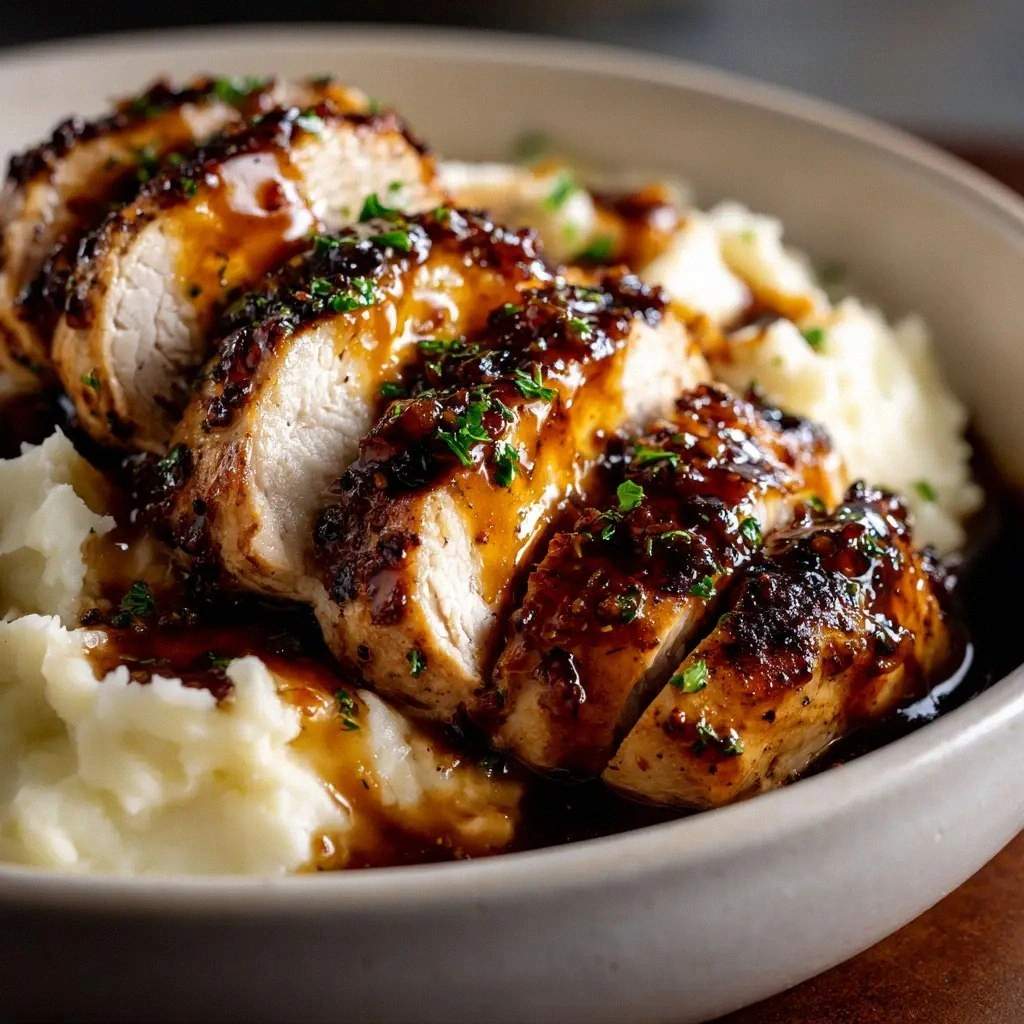
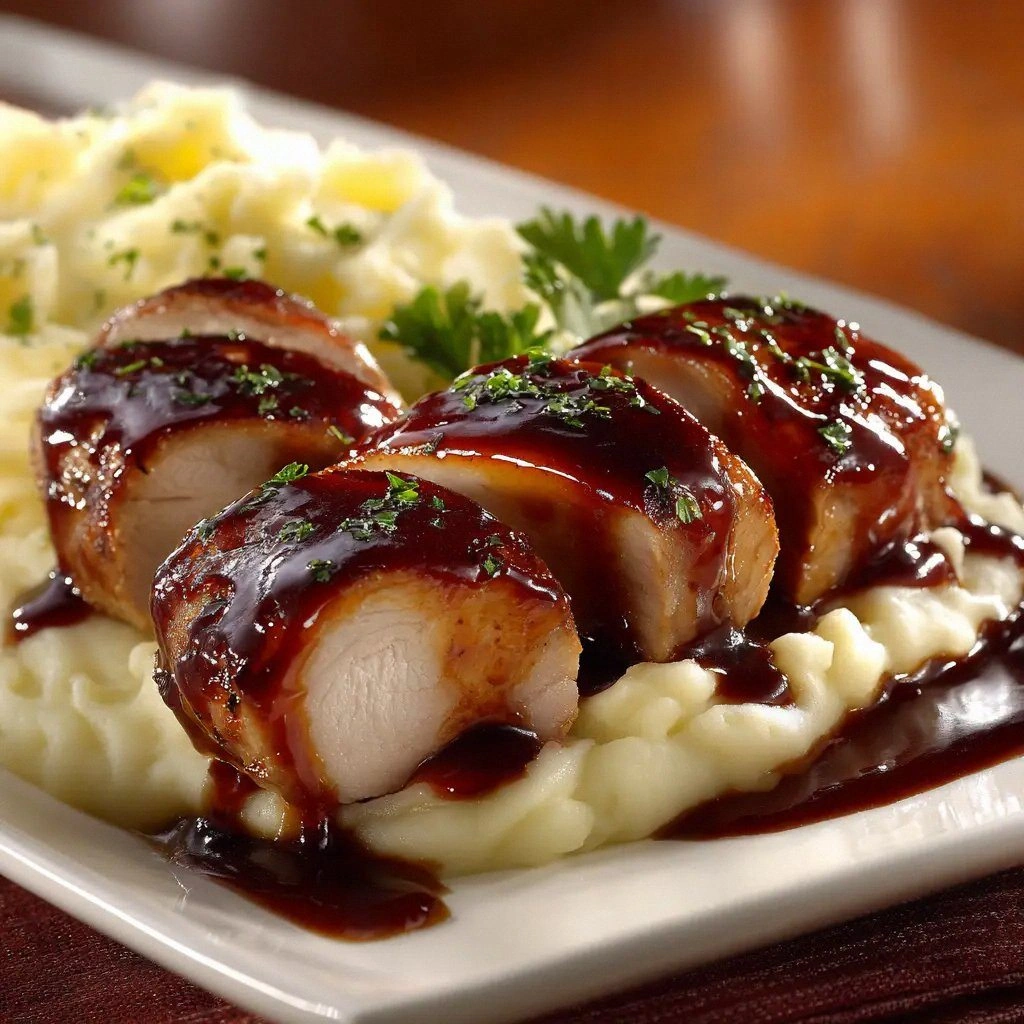
Picture this: a thick, glossy glaze that clings to each bite like a velvet ribbon, a subtle sweetness from the brown sugar that balances the umami of soy, and a tender interior that practically falls apart with a fork. The sauce thickens just enough to coat the meat without becoming syrupy, and the slow cooker does all the heavy lifting while you’re busy scrolling through your phone. The result? A dish that’s both restaurant‑quality and ridiculously easy to pull together on a busy weeknight. I dare you to taste this and not go back for seconds. That’s a bold claim, but I’ve lived it.
Most recipes get this completely wrong. They either over‑season, under‑cook, or forget that the sauce needs to reduce in the end. I’ve spent years experimenting with pork, learning that the key to juicy, flavorful tenderloin lies in the right blend of spices and the magic of a slow cooker’s gentle heat. The sauce in this version is a secret weapon: it’s thickened with cornstarch, balanced with soy and beef broth, and sweetened just enough to keep the pork from drying out. And there’s a little trick with cold water that keeps the glaze from turning into a glaze‑like syrup. Picture yourself pulling this out of the slow cooker, the kitchen smelling incredible, and everyone asking for the recipe.
Let me walk you through every single step — by the end, you’ll wonder how you ever made it any other way. The recipe is simple, the flavors are bold, and the technique is foolproof. I’ll sprinkle in a few micro‑challenges, some kitchen hacks, and a dash of humor to keep things lively. If you’ve ever struggled with pork tenderloin, you’re not alone — and I’ve got the fix. Ready? Let’s dive in.
What Makes This Version Stand Out
- Flavor Depth: The combination of soy sauce, beef broth, and brown sugar creates a savory-sweet glaze that coats the meat like velvet, delivering layers of taste with every bite.
- Texture Perfection: Slow cooking at low heat preserves the pork’s natural juiciness, while the cornstarch slurry thickens the sauce without making it clumpy.
- Time Efficiency: With a prep time of just 15 minutes and a cook time of 30 minutes, you can have a restaurant‑style dish on the table in under an hour.
- Ingredient Simplicity: Only 13 ingredients, all pantry staples, mean you can pull this together even on a tight budget.
- Make‑ahead Friendly: The dish keeps well in the fridge for up to 4 days, making it perfect for meal prep or a last‑minute dinner.
- Crowd‑Pleaser: The sweet‑savory glaze is irresistible to kids and adults alike, turning an ordinary pork tenderloin into a showstopper.
Alright, let's break down exactly what goes into this masterpiece...
Inside the Ingredient List
The Flavor Base
The olive oil is the first to meet the pork, searing the surface to lock in juices before the slow cooker takes over. Olive oil also carries the aromatic herbs, ensuring every bite is infused with that first burst of flavor. If you’re watching calories, a splash of avocado oil works just as well, but the olive oil gives that classic Mediterranean kick.
The Spice Mix
Garlic powder, onion powder, dried thyme, and dried rosemary create a fragrant backbone that transforms the pork from bland to bold. Each spice brings a distinct profile: garlic for depth, onion for sweetness, thyme for earthiness, and rosemary for a hint of pine. If you’re out of thyme, oregano or basil can substitute, but the flavor profile will shift slightly toward a Mediterranean vibe.
The Sweet‑Savory Sauce
Soy sauce supplies umami and saltiness, while the low‑sodium beef broth adds body without overpowering the pork. Brown sugar sweetens the mix, balancing the savory notes and helping the glaze caramelize slightly on the pork’s surface. The cornstarch slurry, made by whisking cornstarch with cold water, thickens the sauce without forming lumps. This technique keeps the glaze glossy and clingy, ensuring every bite is coated.
The Final Flourish
The final touch of cornstarch slurry and a splash of cold water ensures the sauce thickens just enough to cling to the meat, rather than dripping off. This step is essential; skipping it can leave the pork looking dry and the sauce too thin. A pinch of black pepper adds a subtle heat that cuts through the sweetness, creating a balanced flavor profile. If you prefer a milder taste, reduce the pepper to a quarter teaspoon.
Everything's prepped? Good. Let's get into the real action...
The Method — Step by Step
- Begin by patting the pork tenderloins dry with paper towels. This step is crucial; a dry surface ensures a better sear and prevents the meat from steaming instead of browning. Sprinkle the garlic powder, onion powder, thyme, rosemary, salt, and pepper evenly over both sides, then rub the seasonings into the meat. This creates a flavorful crust that will lock in juices during slow cooking.
- Heat the olive oil in a large skillet over medium‑high heat. Once the oil shimmers, add the seasoned pork tenderloins. Sear each side for 2–3 minutes until a golden crust forms. This quick sear caramelizes the surface, adding depth to the final dish. If you’re short on time, you can skip this step, but the flavor will be noticeably less complex.
- Transfer the seared pork into the slow cooker. This is the moment of truth—watch the pork settle into the pot as you add the remaining ingredients. Pour in the low‑sodium beef broth and soy sauce, then sprinkle the brown sugar over the top. The sugars will dissolve and mingle with the broth, forming the base of the glaze.
- Cover the slow cooker and set it to low for 4 hours, or high for 2 hours. The slow, low heat gently breaks down the connective tissues, making the pork incredibly tender. Keep an eye on the liquid level; if it starts to evaporate, add a splash of water or more broth to maintain the sauce.
- About 30 minutes before serving, whisk together the cornstarch and cold water in a small bowl until smooth. Stir this slurry into the slow cooker, ensuring it’s evenly distributed. This step thickens the sauce, turning it into a glossy glaze that clings to the meat. The sauce will thicken further as it simmers.
- Let the pork finish cooking for the remaining time, allowing the glaze to reduce and caramelize slightly. When the internal temperature reaches 145°F (63°C), the pork is perfectly cooked—juicy, tender, and ready to be sliced. Use a meat thermometer for accuracy; this prevents overcooking and dry meat.
- Once the pork is done, remove it from the slow cooker and let it rest for 5 minutes. Resting allows the juices to redistribute throughout the meat, ensuring every slice is moist. While the pork rests, turn the heat to high and let the sauce reduce for another 5–7 minutes, stirring occasionally. The sauce should be thick enough to coat the back of a spoon.
- Slice the pork into ½‑inch thick medallions, then arrange them on a platter. Drizzle the reduced sauce over the slices and garnish with fresh chopped parsley or a sprinkle of sesame seeds for color and texture. The final dish should look glossy, the meat should be tender, and the aroma should be irresistible. Plate it up and serve immediately.
That's it — you did it. But hold on, I've got a few more tricks that'll take this to another level...
Insider Tricks for Flawless Results
The Temperature Rule Nobody Follows
Many home cooks rely solely on time, but the real magic is in the temperature. A low, steady heat keeps the pork tender, while a brief high‑heat finish caramelizes the glaze. If you’re using a multi‑cooker, set it to “slow” for the first 3.5 hours, then switch to “quick” for the last 30 minutes. This technique ensures maximum flavor without sacrificing texture.
Why Your Nose Knows Best
Your sense of smell is your most reliable gauge for doneness. As the pork cooks, the aroma will shift from a mild, herbaceous scent to a rich, savory perfume. When the smell is deep and slightly sweet, the pork is ready to be removed. Trust your nose; it will never let you down.
The 5‑Minute Rest That Changes Everything
Resting the pork for just five minutes after cooking is the secret to juicy meat. During this time, the fibers relax and reabsorb some of the juices, preventing them from spilling onto the plate. Skip this step and you’ll end up with a dry, disappointing slice.
The Sauce‑Reduction Trick
Once the pork is out, let the sauce reduce on the stove for a few minutes. This concentrates the flavors and thickens the glaze to a silky consistency. If the sauce becomes too thick, add a splash of water or broth to loosen it back to the right consistency.
The Herb‑Infusion Hack
Adding a few sprigs of fresh thyme or rosemary to the slow cooker during the last 10 minutes of cooking infuses the meat with a fragrant aroma that elevates the dish. The herbs release their oils, enhancing the glaze’s flavor profile and giving the pork an irresistible aroma.
Creative Twists and Variations
This recipe is a playground. Here are some of my favorite ways to switch things up:
Spicy Korean BBQ
Swap the brown sugar for gochujang and add a teaspoon of sesame oil. The result is a bold, spicy glaze that pairs beautifully with steamed rice and kimchi.
Herb‑Infused Citrus
Add a splash of fresh orange juice and a pinch of dried basil to the sauce. The citrus brightens the dish, making it perfect for spring or summer gatherings.
Maple‑Glazed Pork
Replace the brown sugar with equal parts maple syrup and a dash of smoked paprika. This variation gives the pork a sweet, smoky finish that’s ideal for fall potlucks.
Mediterranean Twist
Use a mixture of oregano, thyme, and a drizzle of olive oil in place of the soy sauce. The result is a lighter, herbaceous glaze that pairs well with roasted vegetables.
Miso‑Glazed Delight
Replace soy sauce with white miso paste and add a splash of sake. The miso brings umami depth, while the sake adds a subtle sweetness.
Storing and Bringing It Back to Life
Fridge Storage
Cool the pork completely, then wrap tightly in plastic wrap or store in an airtight container. It will keep in the fridge for up to 4 days. The glaze will thicken slightly, but that’s part of the charm.
Freezer Friendly
Slice the pork before freezing to make reheating easier. Freeze in a single layer on a baking sheet, then transfer to a freezer bag. The pork will stay good for up to 2 months.
Best Reheating Method
Reheat in a skillet over medium heat, adding a splash of water or broth to loosen the glaze. Let it simmer for 5 minutes until the sauce reaches the desired consistency. A tiny splash of water before reheating steams the pork back to perfection.