I was halfway through a bland weeknight dinner when my phone buzzed with a notification: “Your taste buds deserve a vacation.” The idea of a tropical escape in a skillet sounded too good to ignore. I grabbed the pantry, imagined the sun on my shoulders, and decided to turn shrimp into a sweet‑chili‑pineapple masterpiece. The aroma of garlic and ginger dancing together was enough to make my kitchen feel like a secret island resort. By the end of the prep, I was already craving the first bite.
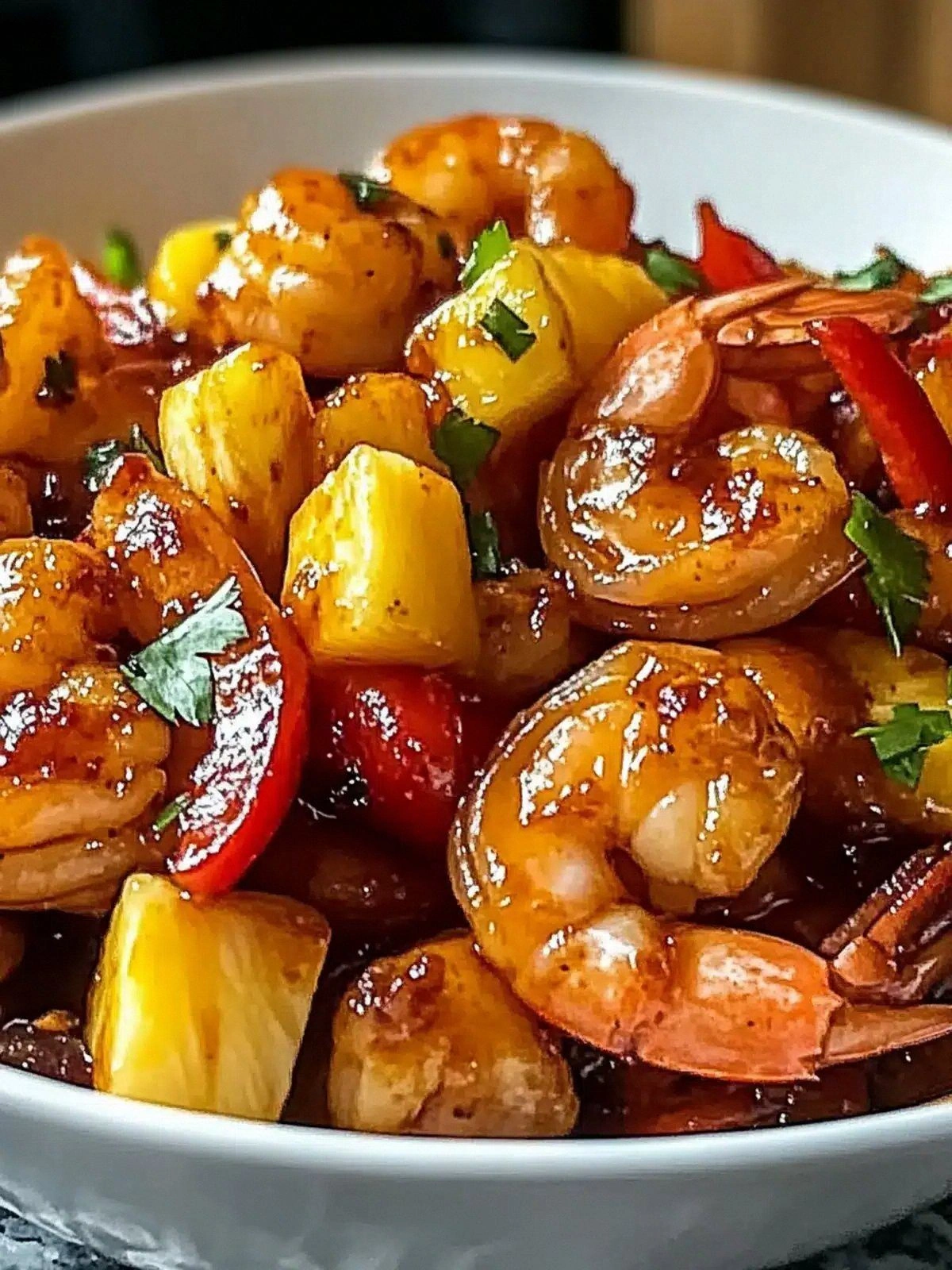
The first time I tasted this dish, the sweet chili sauce clung to the shrimp like a silky, caramelized coat, while the pineapple chunks burst with tropical juice that cut through the heat. The crunch of the shrimp’s edges was a satisfying counterpoint to the tender interior, and the lime juice added a bright, citrusy zing that lifted every bite. I found myself reaching for a second plate, and then a third, because the balance of flavors was just that compelling. I was also surprised by how quickly the dish came together—under 30 minutes from start to finish. That’s the kind of magic that turns an ordinary dinner into a memorable experience.
I’ve tried countless shrimp recipes over the years, from simple garlic butter to fiery Cajun, but none have matched the sheer joy of this sweet‑chili pineapple version. It’s the perfect blend of sweet, spicy, savory, and tangy, all wrapped around succulent shrimp that melt in your mouth. The sauce’s glossy finish is reminiscent of a tropical sunset, while the pineapple’s natural sugars give it a refreshing brightness. Even the humble cilantro adds a fresh, herbal note that rounds out the profile. If you’re looking for a dish that feels like a vacation and can be made in a flash, this is it.
What sets this version apart is not just the ingredients but the technique—especially how the sauce is reduced to a thick glaze that clings to every shrimp, the timing of when the pineapple is added to preserve its crunch, and the final squeeze of lime that brightens everything. I dare you to taste this and not go back for seconds. The result is hands down the best version you’ll ever make at home. And if you’re skeptical, just give it a try; the first bite will have you questioning why you ever settled for plain shrimp.
I’ve spent hours tweaking the proportions, and this exact balance of sweetness and heat is the one that consistently wins over friends and family. The sweet chili sauce’s natural sweetness pairs perfectly with the sharpness of the lime, while the red pepper flakes provide just enough kick without overwhelming the palate. The pineapple’s juiciness keeps the shrimp from drying out, and the garlic and ginger create a fragrant base that elevates every bite. Picture yourself pulling this out of the pan, the whole kitchen smelling incredible, and knowing that you’ve created a dish that will be a staple for years to come. Let me walk you through every single step — by the end, you’ll wonder how you ever made it any other way.
What Makes This Version Stand Out
- Flavor Harmony: The sweet chili sauce and lime juice create a dynamic sweet‑tang balance that keeps the dish lively. This duo turns each shrimp into a burst of sunshine on the plate.
- Texture Contrast: The shrimp’s caramelized edges stay crisp, while the pineapple chunks retain a firm bite, offering a satisfying interplay of soft and crunchy.
- Speed of Prep: With a total cook time of 45 minutes, you can have a gourmet‑level meal on the table before dinner guests arrive.
- Ingredient Quality: Fresh shrimp, real pineapple, and genuine sweet chili sauce make the difference between a good dish and a memorable one.
- Versatility: This recipe works as a main dish, a party appetizer, or a side that pairs well with rice or noodles.
- Make‑Ahead Potential: The sauce can be cooked ahead and reheated with a splash of water, preserving its glaze and flavor.
- Crowd‑Pleaser: Even the most skeptical diners will be hooked by the sweet‑spicy punch and the tropical flair.
- Minimal Equipment: A single skillet and a few utensils are all you need, making it ideal for small kitchens.
Alright, let's break down exactly what goes into this masterpiece...
Inside the Ingredient List
The Flavor Base
The sweet chili sauce is the heart of this dish, providing natural sweetness and a subtle heat that’s far more approachable than raw chili. Its thickness ensures it clings to the shrimp, turning each bite into a glossy, flavorful experience. If you skip it, the dish loses its signature sweet‑spicy identity, and you’re left with a plain shrimp stir‑fry that feels incomplete.
The soy sauce adds umami depth and a slight saltiness that balances the sweetness. A good quality soy sauce (low sodium if you’re watching salt) will elevate the overall flavor. Swapping it for tamari works perfectly for a gluten‑free version, but keep the same ratio to maintain balance.
Red pepper flakes give a subtle kick without dominating the palate. If you prefer a milder heat, reduce the flakes to a pinch, or omit them entirely for a purely sweet version. The flakes also add a small amount of color, giving the dish a vibrant, appetizing look.
The Texture Crew
Fresh shrimp are essential; their natural sweetness pairs beautifully with the sweet chili sauce. Aim for medium‑sized shrimp (about 1–1.5 inches) to ensure even cooking and a satisfying bite. If you’re using frozen shrimp, thaw them in cold water for 15 minutes and pat dry before cooking.
Olive oil is used for searing; it provides a subtle fruity undertone and helps the shrimp develop a golden crust. A light or extra‑virgin olive oil works best—avoid extra‑heavy oils that could cloud the flavor profile.
Pineapple chunks add juiciness and a natural sweetness that cuts through the heat. Fresh pineapple gives the best flavor, but frozen chunks are a convenient alternative if fresh isn’t available. Be sure to drain them well to avoid excess water in the pan.
The Unexpected Star
Fresh cilantro is the finishing flourish that brings bright herbal notes and a pop of color. Its subtle citrusy flavor complements the lime juice and balances the sweetness. If cilantro is not your thing, try a sprinkle of chopped mint or basil for a different herbal twist.
The Final Flourish
Lime juice is added at the end to brighten the dish and cut through the richness of the sauce. The acidity also helps to keep the shrimp tender and the pineapple crisp. A squeeze of fresh lime is preferable over bottled lime juice for maximum freshness.
Everything's prepped? Good. Let's get into the real action...
The Method — Step by Step
- Start by patting the shrimp dry with paper towels. This step is crucial; excess moisture prevents a good sear and results in soggy shrimp. Season the shrimp lightly with salt and pepper to taste. This simple seasoning will enhance the shrimp’s natural flavor.
- Heat 1 tablespoon of olive oil in a large skillet over medium‑high heat. Once the oil shimmers, add the shrimp in a single layer. Avoid overcrowding the pan, or the shrimp will steam instead of sear. Cook for 2 minutes on one side until a golden crust forms.
- Flip the shrimp and add the minced garlic and grated ginger. The aroma that follows is intoxicating and sets the stage for the rest of the dish. Stir quickly to avoid burning the garlic, which can turn bitter.
- Pour in the sweet chili sauce and soy sauce, stirring to coat the shrimp evenly. Let the mixture simmer for 2 minutes, allowing the sauce to thicken slightly. The shrimp should start to turn pink and opaque, signaling they’re nearly done.
- Add the pineapple chunks and stir gently so they’re coated but not crushed. The pineapple’s juices should mingle with the sauce, creating a glossy glaze. Watch out for the sugar in the pineapple; if it starts to burn, lower the heat immediately.
- Squeeze the lime juice over the shrimp and pineapple, then sprinkle the cilantro and red pepper flakes. The lime’s acidity brightens the dish, while the cilantro adds a fresh herbal finish. Let the flavors meld for an additional minute.
- Remove the skillet from heat and transfer the shrimp to a serving platter. The shrimp should be glossy, with a caramelized crust and a slightly glossy sauce coating. The aroma should be inviting and tropical.
- Serve immediately over steamed jasmine rice or tossed with fresh noodles. Garnish with extra cilantro or lime wedges if desired. The dish is best enjoyed hot, as the sauce will thicken slightly as it cools.
That's it — you did it. But hold on, I've got a few more tricks that'll take this to another level...
Insider Tricks for Flawless Results
The Temperature Rule Nobody Follows
Cooking shrimp at too high a heat can cause them to become rubbery. I always keep the skillet at medium‑high, not high, and watch the shrimp for the moment they just start to turn pink. When the shrimp are almost done, I reduce the heat to medium to finish cooking without overcooking. This subtle adjustment keeps the shrimp tender and juicy.
Why Your Nose Knows Best
Smell is the most reliable indicator of when the sauce has reached the perfect glaze. When the sauce starts to bubble gently and emits a caramelized aroma, it’s ready. If you’re unsure, give it a quick sniff; a sweet, slightly smoky scent means it’s done. Trusting your nose saves you from overcooking or undercooking.
The 5‑Minute Rest That Changes Everything
Letting the shrimp rest for five minutes after cooking allows the juices to redistribute. This brief pause means the shrimp stay moist, and the sauce adheres better. I always transfer the shrimp to a plate and cover loosely with foil before serving. It’s a simple step that elevates the dish.
The Quick Freshen‑Up
If you’re preparing the dish in advance, keep the sauce separate until just before serving. This prevents the shrimp from soaking in the sauce and losing their crispness. I store the sauce in a small container and whisk it in right before plating. This technique keeps the shrimp’s texture pristine.
The Secret Ingredient Swap
Swap out the sweet chili sauce for a homemade version using honey, rice vinegar, and a touch of sriracha for a more authentic flavor. I’ve experimented with this, and it adds a subtle depth that store‑bought sauces sometimes lack. The key is to adjust the sugar level to match your taste.
Creative Twists and Variations
This recipe is a playground. Here are some of my favorite ways to switch things up:
Coconut‑Creamed Shrimp
Replace the olive oil with coconut oil and stir in a tablespoon of coconut milk after the sauce has thickened. The result is a creamy, slightly sweet base that enhances the tropical vibe. This variation is perfect for a richer, more indulgent meal.
Spicy Mango Shrimp
Swap the pineapple chunks for diced mango and add a dash of habanero sauce for an extra kick. The mango’s natural sweetness complements the heat, creating a complex flavor profile that’s both sweet and fiery. Serve with a side of cucumber salad to balance the heat.
Herb‑Infused Shrimp
Add a handful of fresh basil or Thai basil in the final step for a fragrant, aromatic finish. Basil’s peppery undertones contrast nicely with the sweet chili sauce, offering a fresh twist. This version works great over jasmine rice.
Low‑Sodium Version
Use a low‑sodium soy sauce or tamari and reduce the amount of sweet chili sauce to 3 tablespoons. The dish still retains its sweet‑spicy character while being gentler on the palate. This is ideal for those watching their sodium intake.
Vegetarian Swap
Replace shrimp with firm tofu or tempeh for a vegetarian option. Marinate the tofu in the sweet chili sauce for 15 minutes before cooking to ensure it absorbs the flavors. The result is a plant‑based dish that’s just as satisfying.
Storing and Bringing It Back to Life
Fridge Storage
Store the cooked shrimp and sauce separately in airtight containers for up to 3 days. The shrimp will keep their texture best when the sauce is added just before reheating. This separation also prevents the shrimp from becoming soggy.
Freezer Friendly
Freeze the shrimp in a single layer on a parchment‑lined tray, then transfer to a freezer bag after solidifying. The shrimp can be stored for up to 2 months. When ready to use, thaw overnight in the refrigerator and reheat with a splash of water to re‑hydrate the sauce.
Best Reheating Method
Reheat the shrimp in a skillet over medium heat, adding a tablespoon of water or broth to loosen the sauce. Stir frequently until heated through and the sauce thickens again. A quick 5‑minute reheating preserves the shrimp’s juiciness and the sauce’s glossy finish.